
Last updated November 16, 2026
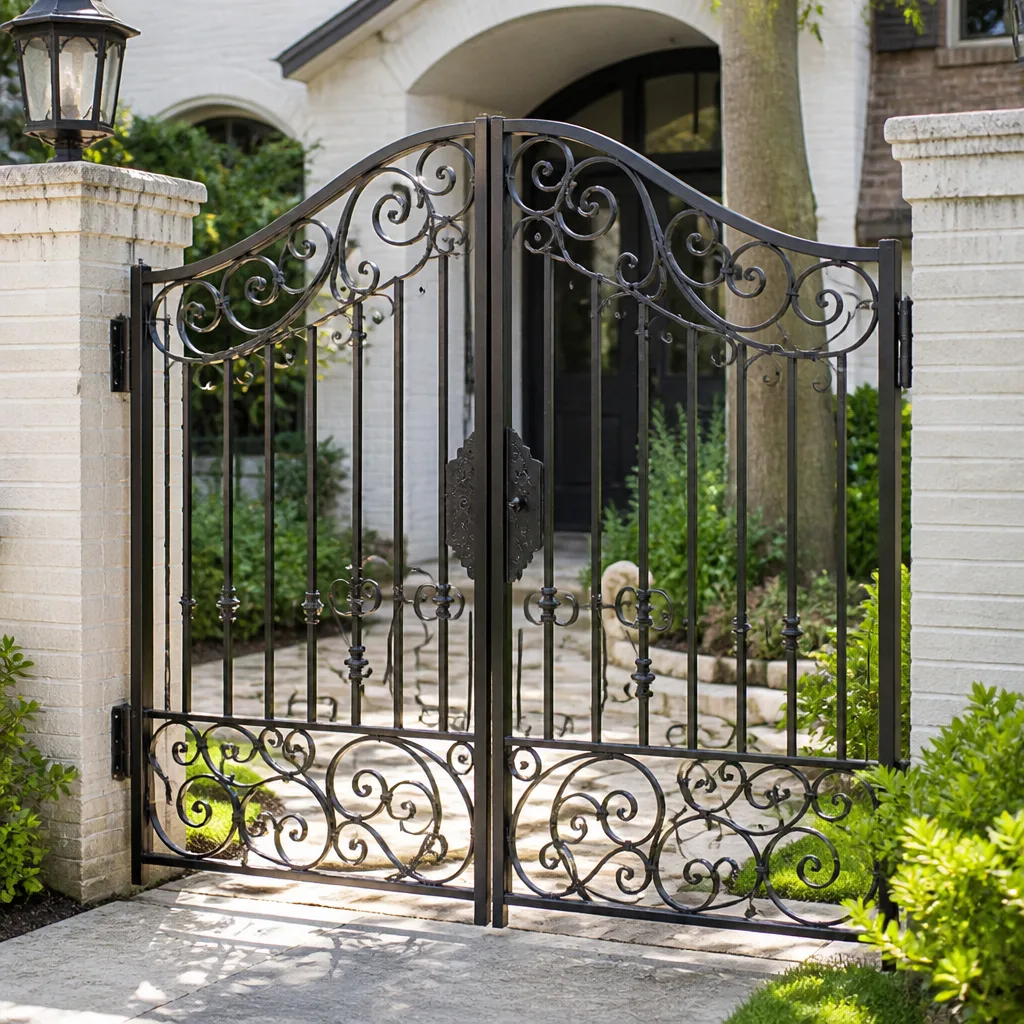 Wrought iron
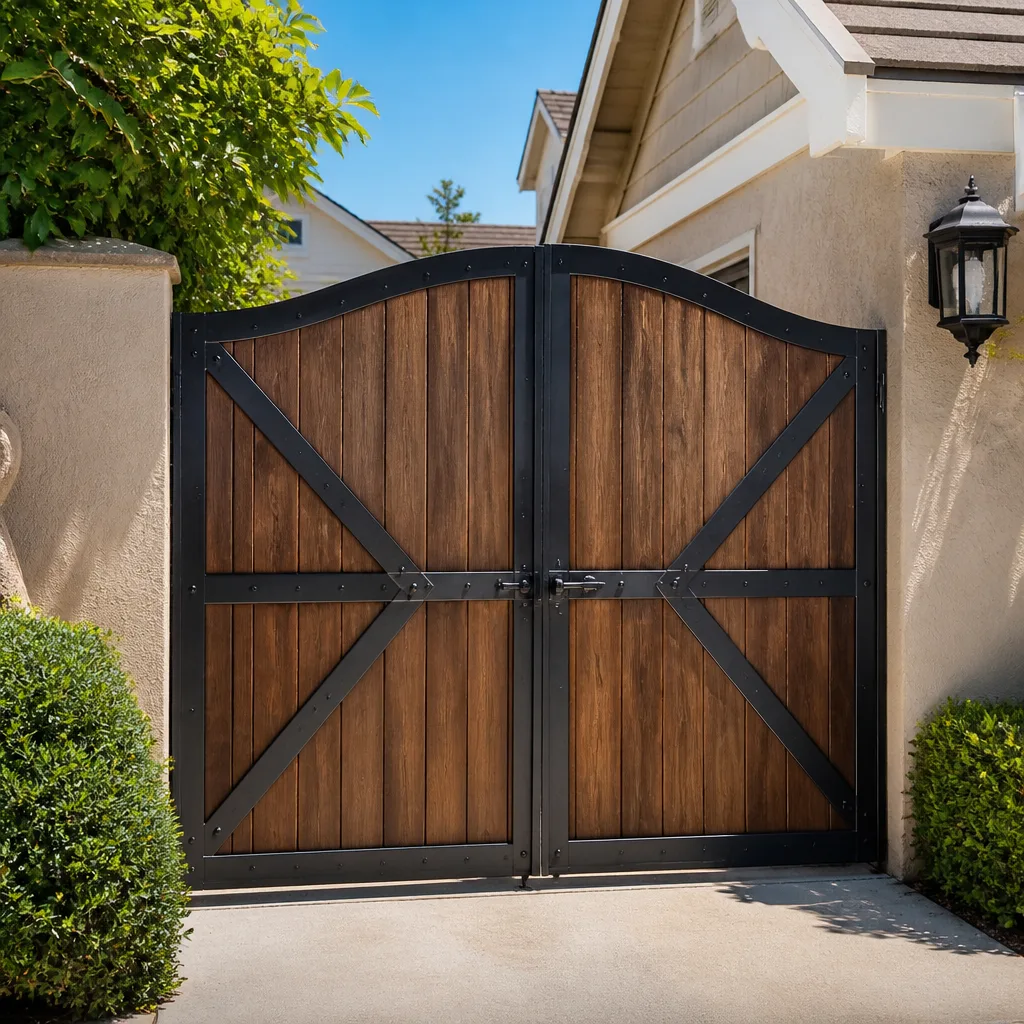 Wood & steel frame
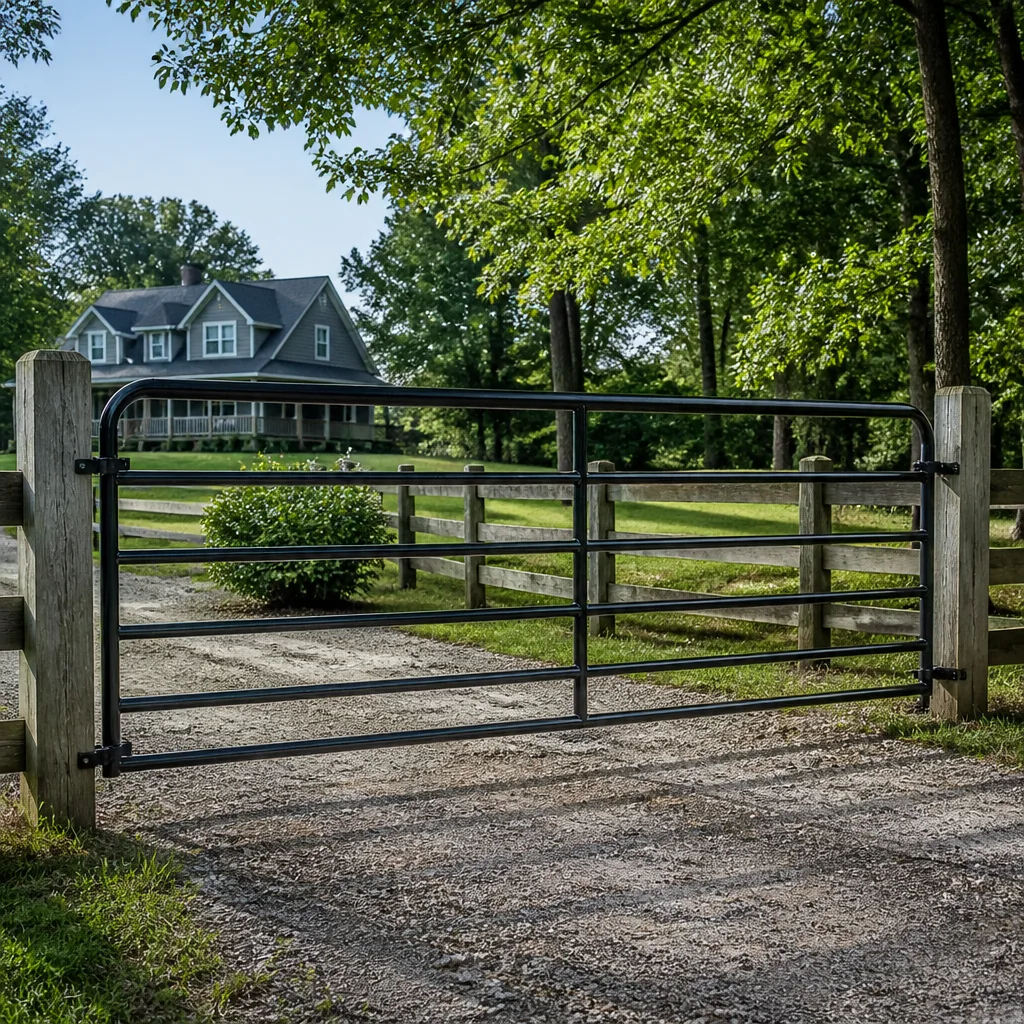 Farm & ranch
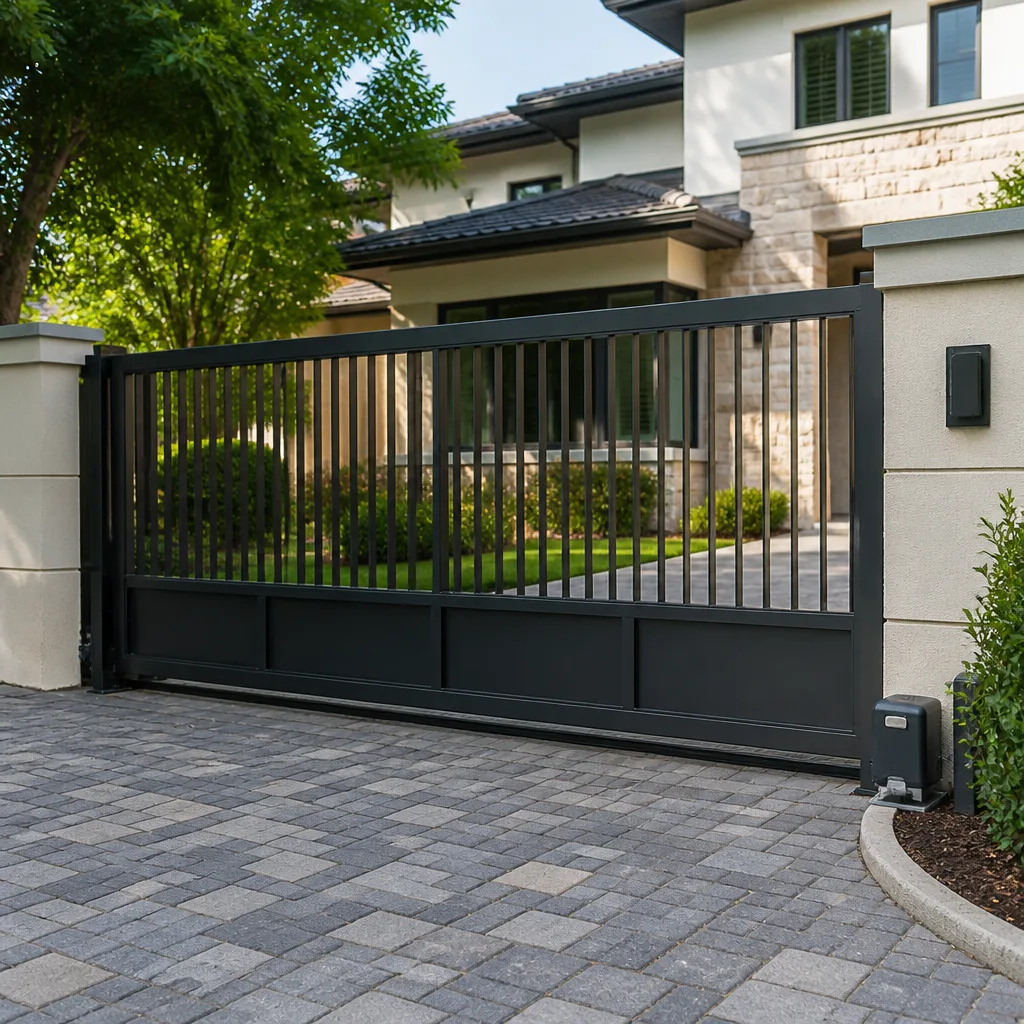 Sliding driveway gates
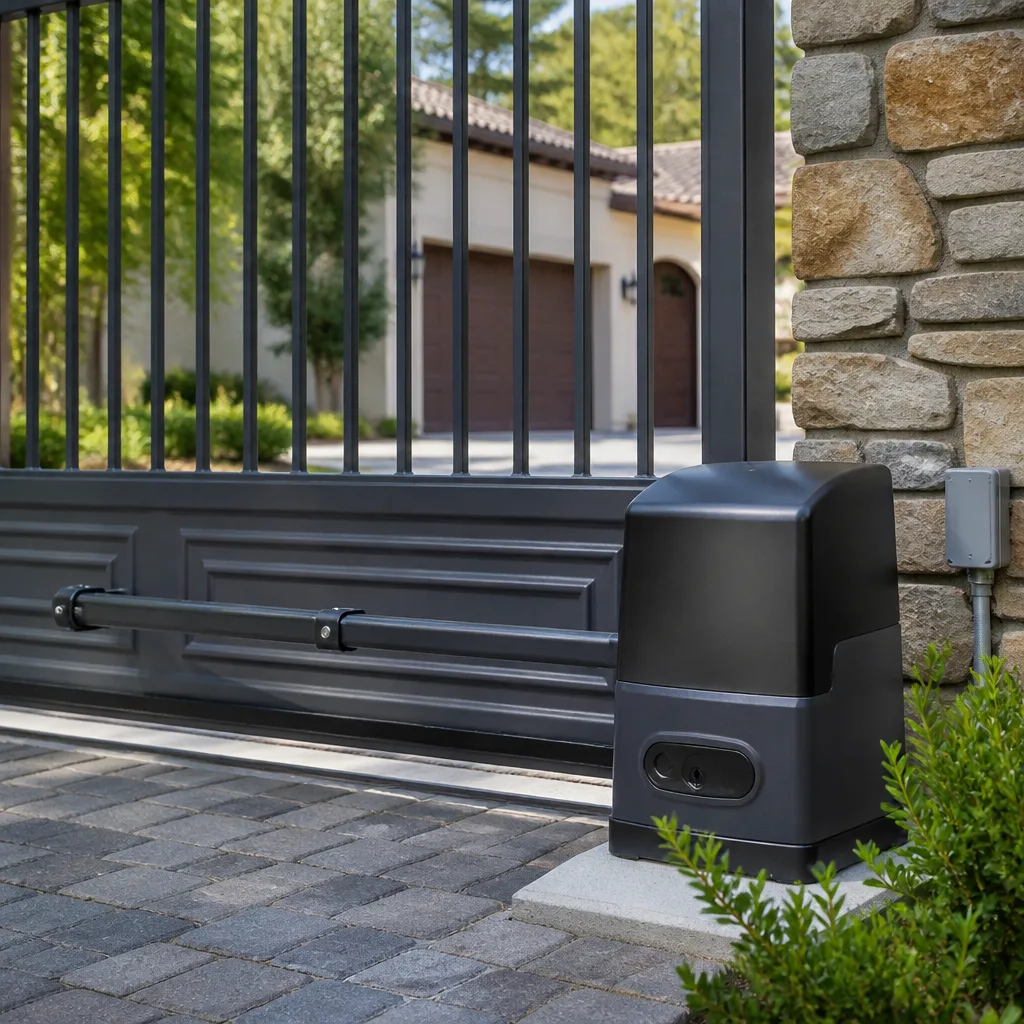 LiftMaster operators
Free on-site gate assessment - hinges, posts, and your LiftMaster or Nice gate operator checked before anything is quoted
The assessment is free and the quote is the invoice.
Get your free estimateGate Repair Warning Signs: A Joliet Homeowner’s Reference Guide
A gate that “just needs a little push to close” is not a quirk, and it is not normal. That push is telling you the hinge or the post alignment has already moved, and every cycle since that first shove has been making it worse. The push required tends to grow, not stay steady, until one day the gate stops closing at all. That’s the pattern we see most often: homeowners wait for a clear failure when the gate has been broadcasting the problem for a month or two. This guide names the specific sounds, visual cues, and behaviors that count as early warnings in Joliet, and tells you which ones mean stop using the gate right now.
Quick Answer
The main gate repair warning signs are grinding, clicking, or humming with no movement; a gate that sags, drags, or needs a push; slow travel; reversal with no obstruction; and a remote that works only sometimes. These signals usually appear 30 to 90 days before a full failure. Any grinding, sparks, or a gate that moves on its own means stop using it and get it looked at.
Styles & brands we work with
- Wrought iron
- Wood & steel frame
- Farm & ranch
- Sliding driveway gates
- LiftMaster operators
Table of Contents
- What Gate Noises Are Telling You
- Visual Warning Signs by Gate Type
- Behavioral Warnings in Automated Gates
- Warning Sign vs. Failure in Progress
- How to Photograph and Document What You See
- Why Joliet Weather Stresses a Gate
- Matching the Symptom to Your Operator Brand
What Gate Noises Are Telling You
Sound is the earliest and most reliable diagnostic signal a gate gives you. Different noises point to very different mechanical problems, and knowing which is which can save you from a much larger repair. In our experience, owners often describe a noise as “just a little rattle” when it’s already a roller or bearing problem. Here’s how to read each one.
- Grinding: Metal-on-metal contact, usually worn rollers, dry or failed hinge bearings, or a track with debris packed into it. Grinding worsens and tends to precede a jam or a broken hinge.
- Clicking: Often the drive gear, a slipping clutch, or a relay cycling in the control board. Clicking with no movement points strongly at the operator.
- Humming with no movement: The motor is receiving power but the gate isn’t traveling. This can be a seized mechanism, a stripped gear, or a failed capacitor. Don’t keep energizing it repeatedly.
- Intermittent motor noise: Runs, stops, runs again. This usually points at a control board issue, a limit switch, or a loose connection rather than a motor on its way out.
Trust your ears before you trust your eyes. A gate that sounds worse than it looks is telling you something is wearing inside the mechanism, not on the surface. If the grinding is loud enough that a neighbor can hear it across the driveway, schedule a look before it becomes a gate that won’t move.
Visual Warning Signs by Gate Type
Sagging looks completely different depending on what kind of gate you own, and the cause is just as different. This is where a generalist tends to guess and a specialist doesn’t. A Gate Repair Joliet technician checks the structure first because the fix follows from the cause, not from the symptom description alone.
Cantilever Gates
A cantilever gate rides on a track and counterbalances with a rear carriage. When it sags, the drop usually shows at the leading edge as it extends, and it points to worn carriage rollers, a track that has shifted, or a counterbalance issue. Cantilever gates rarely have a hinge problem, so a “loose hinge” fix won’t apply. If the gate dips only when fully open, that’s a carriage and track story.
Swing Gates
A swing gate hangs from hinges, so sagging shows as the gate dropping at the latch side or scraping the ground on the swing path. That points to hinge wear, a post that has settled, or a post out of plumb. On a swing gate, the “push to close” the owner notices is almost always post alignment or hinge wear, and both get worse with every cycle. Fixing the hinge without addressing the post is a temporary fix.
Both Types
- Scrape marks on the ground along the gate’s path.
- Rust streaks bleeding from hinges or the frame at weld points.
- A visible gap between the gate and the post that wasn’t there before.
- A gate frame that looks out of square when viewed from the end.
Behavioral Warnings in Automated Gates
An automated gate that behaves oddly is usually reporting an electrical or mechanical fault, not an attitude problem. Owners describe these as the gate “being finicky.” Every one of the following symptoms maps to a specific source, and each is worth writing down before a technician arrives.
- Slow travel: The gate moves but takes longer than it used to. This is often a voltage supply issue, a binding mechanism, or a motor working against resistance.
- Reversal without obstruction: The gate opens, then reverses on the way closed with nothing in the way. Safety sensors, loop detectors, or a limit setting are the likely cause, and this must be fixed, not ignored.
- Remote works sometimes: Inconsistent reception points to a weak receiver, a battery issue in the remote, or interference. It’s rarely “the remote is just old.”
- Gate stops mid-travel: Usually a limit switch or control board issue. Consistent stopping at the same point is a clue worth noting.
Behavioral faults are exactly where a gate-only specialist earns their keep. Electric gate repair is our core work, and we work directly with control boards, loop detectors, and motor assemblies that a general contractor often declines or misdiagnoses. If your operator is a LiftMaster or a FAAC, the behavior tells us where to start before we’re even on-site.
Warning Sign vs. Failure in Progress
Distinguishing a warning from an active failure is the difference between scheduling a repair and stopping the use of the gate immediately. Warning signs give you time. Failures in progress do not.
These are warning signs. Schedule a repair:
- Grinding that’s getting louder over the course of a week or two.
- A gate that needs a small push or settles slightly on one side.
- Slow travel, or a remote that works most of the time.
- Scrape marks, rust streaks, or a visible gap at the post.
These are failures in progress. Stop using the gate:
- Sparks, smoke, or a burning smell from the operator or the power run.
- A gate that moves on its own when nothing has commanded it to.
- A gate that will not stop when it hits the end of travel, or one that reverses incorrectly around a person.
- A gate that has come off its track or out of its carriage on a slide gate.
- Any heavy gate hanging or tilting where it could fall.
Operator wiring, power, and heavy panels are the genuinely dangerous parts of an automated gate. Don’t put your hands near the mechanism or the wiring to “check it.” Call a trained technician. If your gate fails on a Saturday, call and we’ll book you for Sunday. We close on Saturday.
How to Photograph and Document What You See
A few clear photos and a short description can shorten a diagnosis significantly. You don’t need to be technical. You just need to capture the right things.
- Photograph the gate fully open, fully closed, and mid-travel. Any of the three will show sag or misalignment better than a single photo.
- Photograph the hinges, rollers, and the track or carriage. Get close-ups of anything that looks worn, rusted, or loose.
- Photograph the operator and the control board area so the brand and model are legible. That’s how we know we’re looking at a Mighty Mule or a BFT before we arrive.
- Write down the sounds, the timing, and the weather when the problem happens. “Grinds for 3 seconds, only when closing, worse in the morning” is a useful sentence.
- Note which remotes and which sensors work and when. Intermittent behavior is what owners forget by the time they call.
Send those notes ahead. It’s how an electric gate repair visit moves faster and why a gate specialist can often confirm the cause on the first look rather than making two trips. The more you capture before the call, the more specific the estimate becomes.
Why Joliet Weather Stresses a Gate
Joliet’s freeze-thaw cycle is hard on outdoor hardware. When the ground freezes and thaws, posts shift, and a post that was plumb last fall can lean by spring. That shift travels straight into the hinges and the gate frame on a swing gate, and into the carriage on a cantilever gate. It’s the single most common cause of the “my gate needs a push” complaint we hear from owners.
Snow and ice packed into tracks is another one. A gate forced through ice can bend a roller or strip a gear, and the damage shows up after the thaw, not during. Summer heat and rain add their own wear: hinges dry out or seize, and wood or vinyl gates can swell and drag. A gate that only misbehaves in one season is telling you about a seasonal alignment or material issue, and that’s worth noting when you document the symptom. In a Joliet climate, planning a hinge and track check before the first hard freeze is cheaper than fixing what breaks after it.
Matching the Symptom to Your Operator Brand
Different operator brands have different tells, and knowing yours helps a technician prepare before the site visit. We work with nine major gate operator brands: LiftMaster, FAAC, BFT, Linear, Viking, Ghost Controls, DoorKing, Elite, and Mighty Mule. That coverage means you’re not starting from scratch because your brand doesn’t match.
- LiftMaster: Common on residential driveways. Behavioral faults and control board issues are what we see most.
- FAAC: Also residential and commercial. Limit and sensor issues lead the list.
- BFT: Frequently seen on heavier swing gates. Motor resistance and control board behavior are the usual suspects.
- Mighty Mule: Popular on lighter residential gates. Gear and battery issues are common.
The point of naming brands is simple. Multi-brand experience means we repair and update existing equipment rather than defaulting to a full replacement. If your symptoms point at the operator rather than the gate, a specialist who handles the brand directly is a faster path to a working gate. From first installation to years of repairs, we’re the one specialist for the life of your gate.
Common Mistakes to Avoid
- Treating “needs a push” as normal. That push is a hinge or post alignment problem that grows every cycle. Wait and you’ll be replacing a hinge instead of adjusting one.
- Spraying the track or hinges with whatever’s in the garage. The wrong lubricant collects grit and accelerates wear. A little oil on the wrong component can turn a grinding gate into a jammed one.
- Clearing snow and ice off the track with force. Forcing a gate through ice bends rollers and strips gears. If a gate can’t move freely, don’t make it.
- Ignoring reversal. A gate that reverses without obstruction near a child or a car is a safety failure. Don’t wait to fix it.
- Calling a generalist because the track looks simple. In Joliet, a contractor who works on gates once a month is guessing at control boards and loop detectors. A gate specialist doesn’t.
- Opening the operator enclosure to check the wiring yourself. Operator wiring and power are the genuinely dangerous parts of an automated gate. That’s a trained technician’s job.
- Assuming a full replacement is the only answer. Many “dead” operators are a control board or sensor away from working again. Get a diagnosis before you commit to a replacement.
See the difference
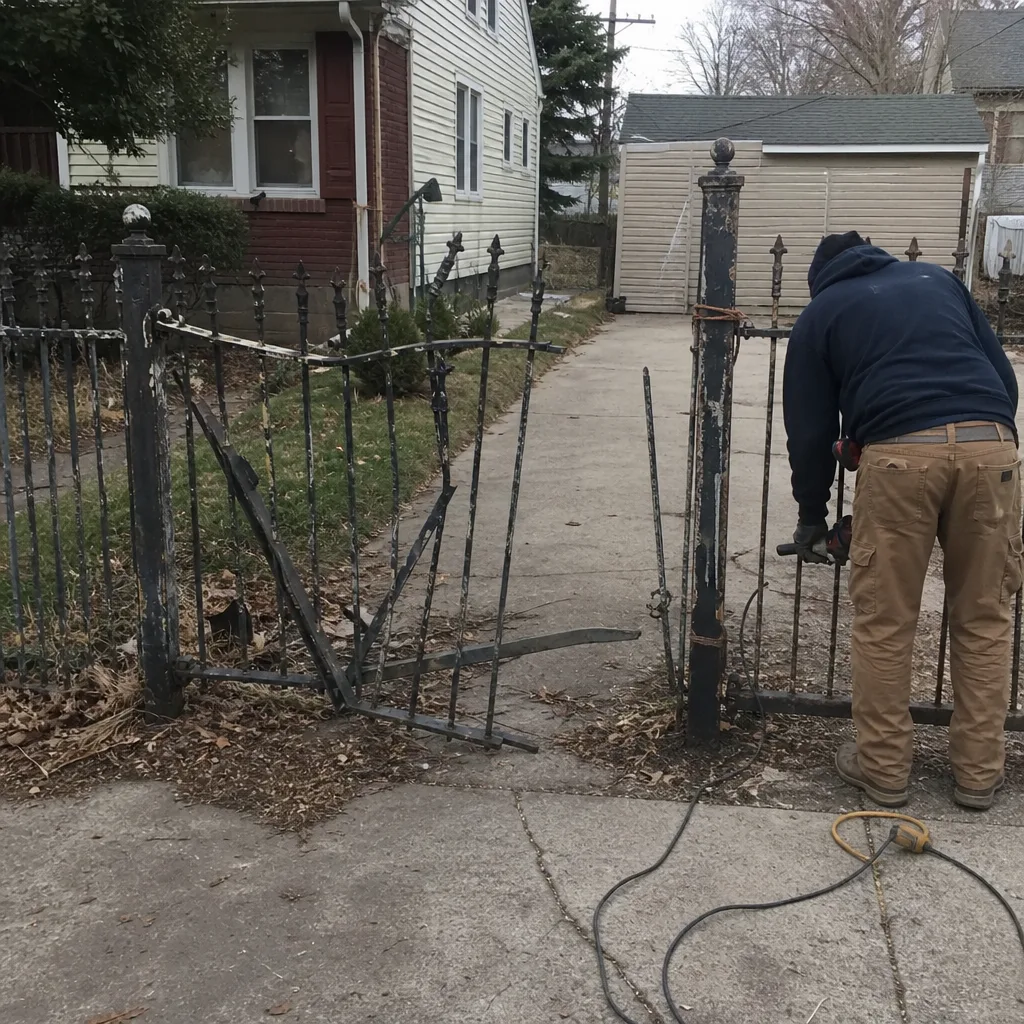 Before
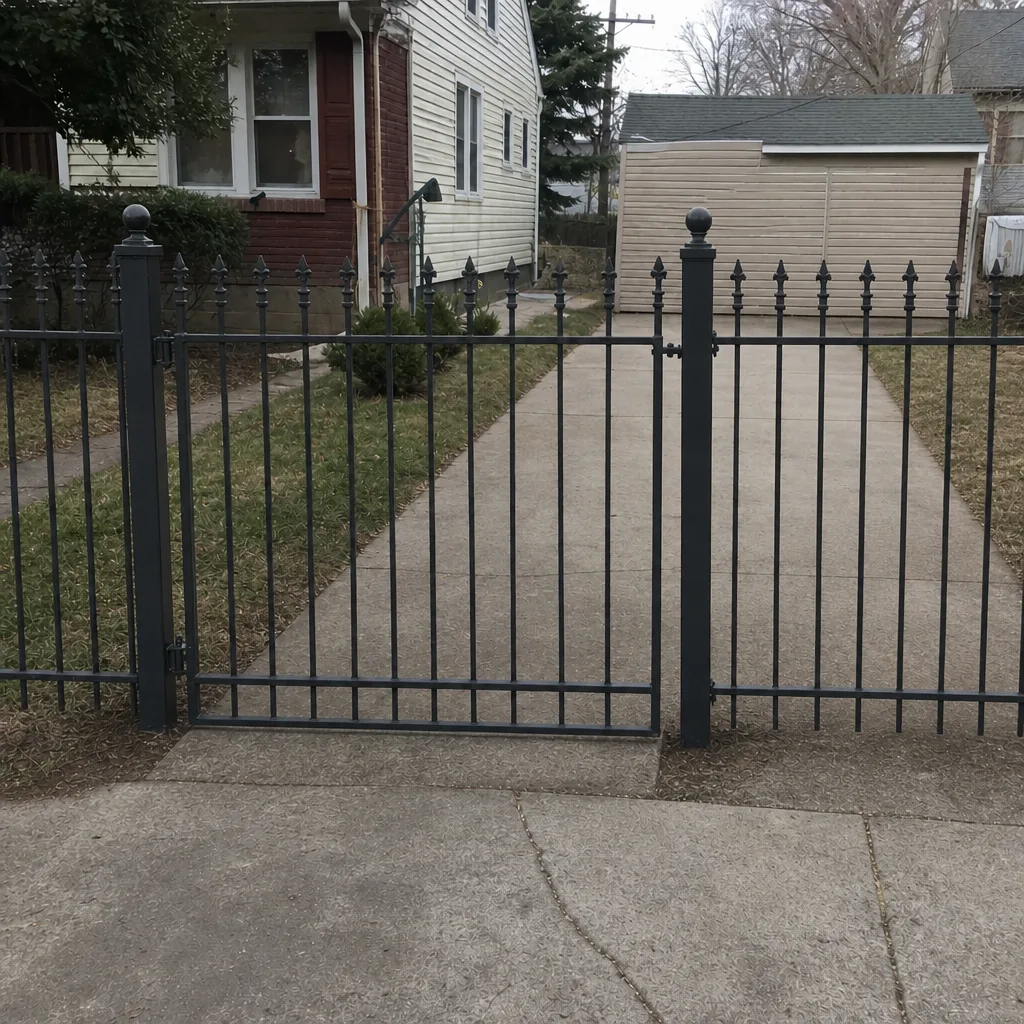 After
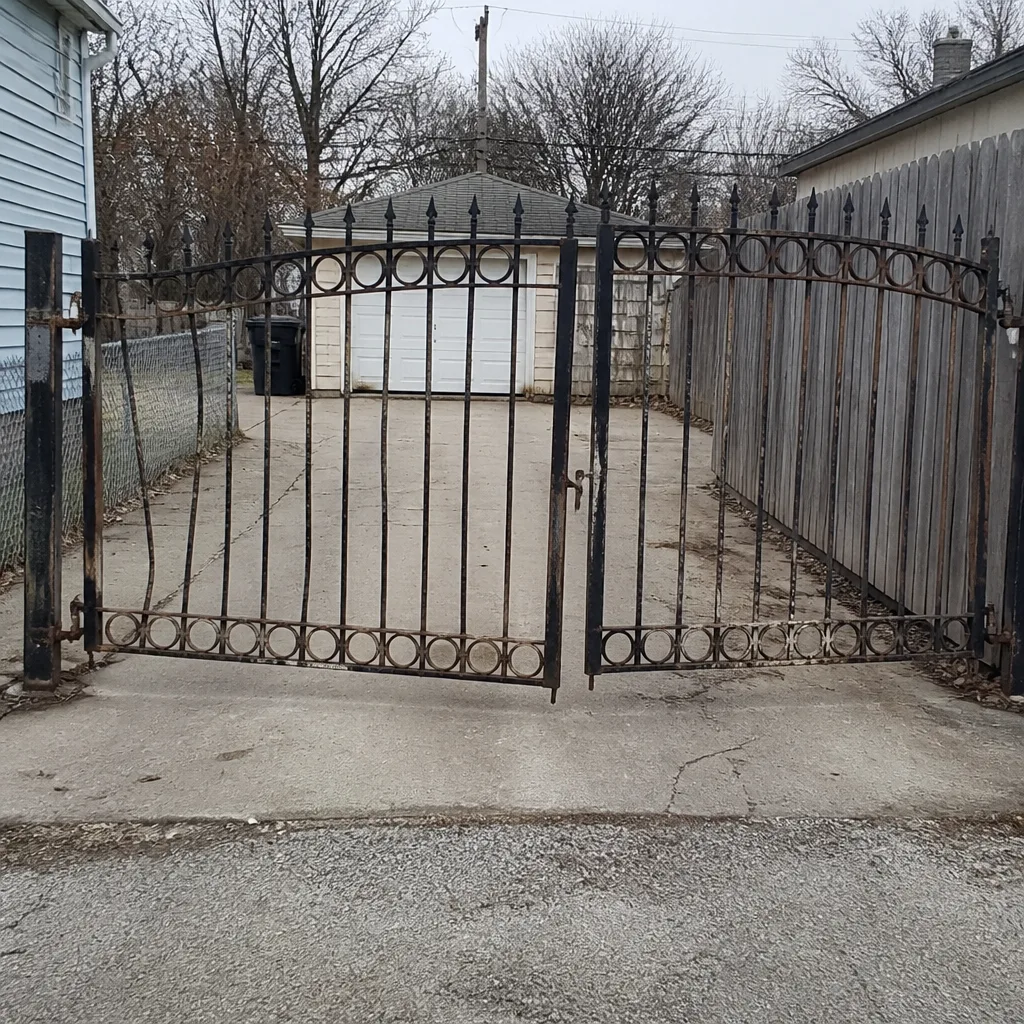 Before
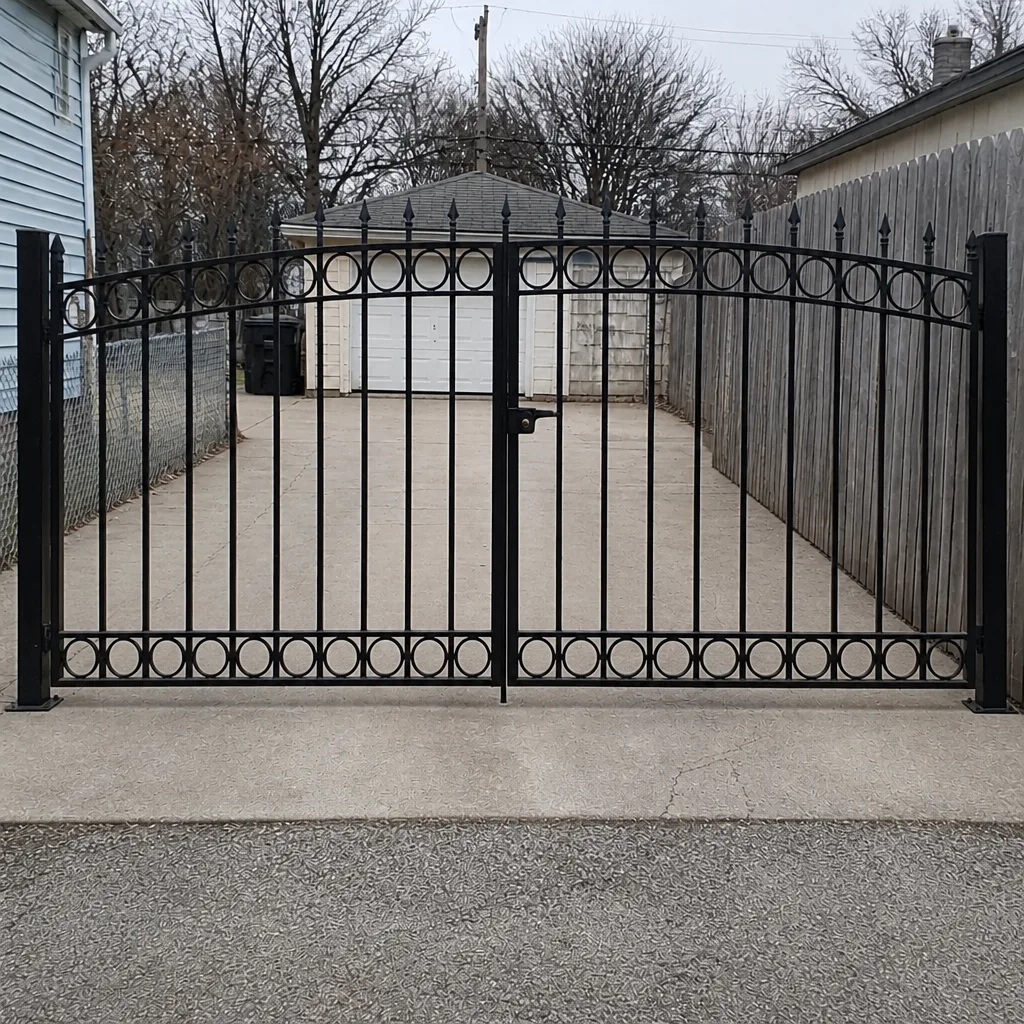 After
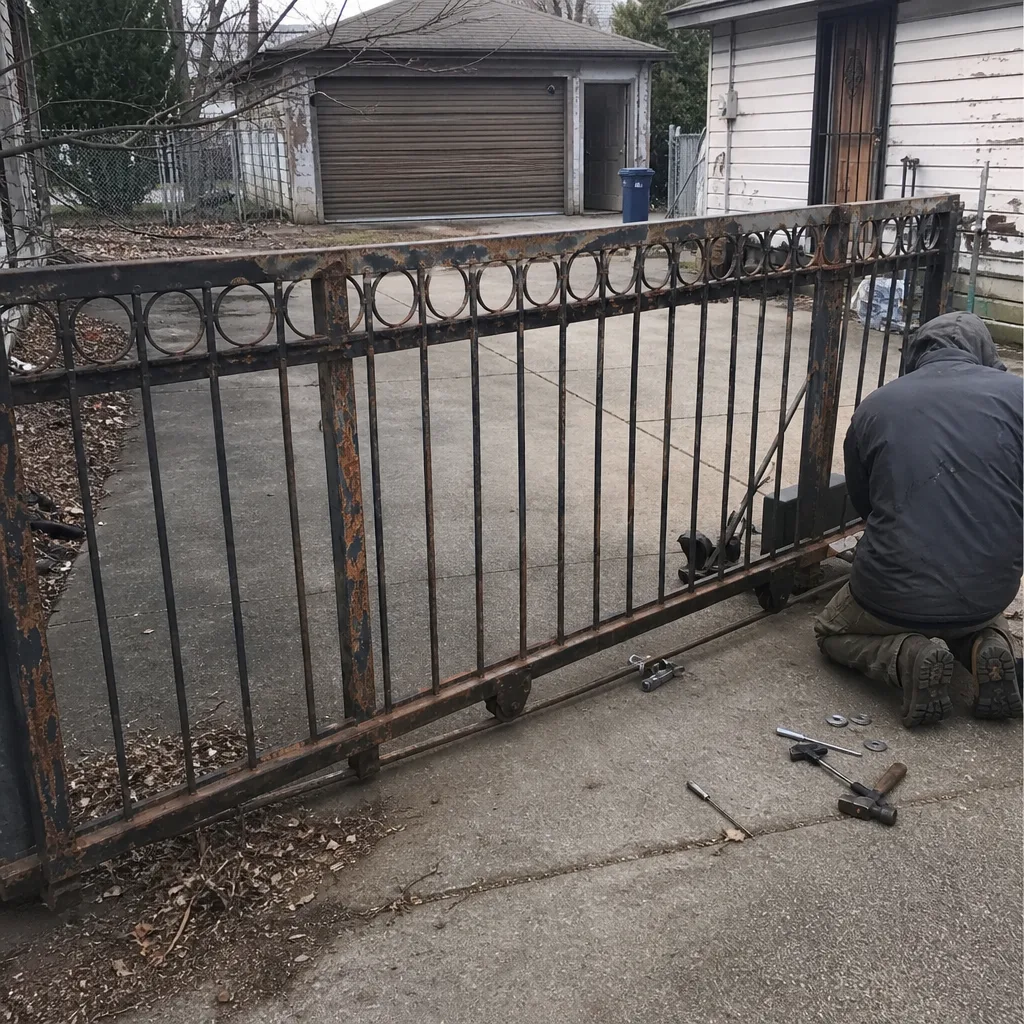 Before
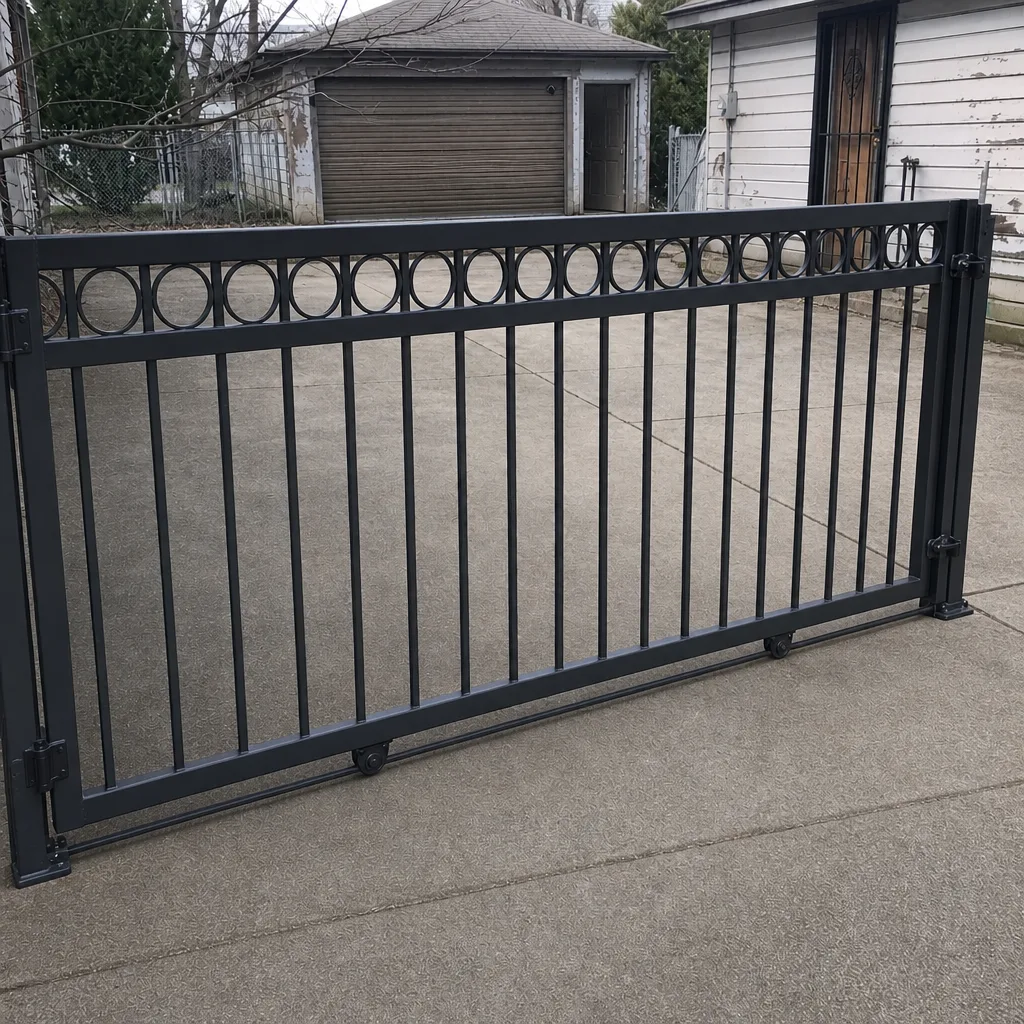 After
When to Call a Professional
Call when a gate grinds, clicks, hums without moving, sags, drags, needs a push, reverses on its own, or a remote works only sometimes. Call immediately when a gate sparks, moves on its own, won’t stop at end of travel, comes off its track, or hangs unsafely. Those are failures in progress, and the gate should be stopped, not pushed. A gate specialist should also inspect an operator you’ve never had serviced, and confirm that your safety sensors and loop detectors are actually working. Gate Repair Joliet offers free estimates in Joliet. Call (855) 360-8227. We answer 24/7. Fast dispatch from 7am to 7pm, Sunday through Friday. Every price is quoted and agreed before any work starts.
Frequently Asked Questions
Most gate warning signs appear 30 to 90 days before a failure, so a gate that starts grinding or dragging is on a timeline. The signs come well before the gate quits, which is why catching them early matters. Call (855) 360-8227 for an exact quote. Estimates are free.
Yes, usually. A push-to-close gate is almost always a hinge, post alignment, or carriage issue, and adjusting those is a routine repair. The important part is fixing the underlying alignment, not just the symptom. Call (855) 360-8227 and we’ll give you a written estimate before any work starts.
Reversal with no obstruction points to a safety sensor, a loop detector, or a limit setting that needs attention. It’s a safety issue, not an inconvenience, so treat it as a failure in progress and stop using the gate until it’s checked. Call (855) 360-8227. Estimates are free.
Yes. Electric and automated gate repair is a primary service, and we also handle standard mechanical gate repair. That includes the hinges, rollers, posts, and frames that fail on manual gates. Call (855) 360-8227. We answer 24/7. Fast dispatch from 7am to 7pm, Sunday through Friday.
We service nine major gate operator brands, including LiftMaster, FAAC, BFT, Linear, Viking, Ghost Controls, DoorKing, Elite, and Mighty Mule. That coverage means most Joliet systems will match a brand we know well. Call (855) 360-8227 for a free estimate.
Have photos of the gate open, closed, and mid-travel, close-ups of the hinges and track, a photo of the operator showing the brand, and a short note on sounds, timing, and weather. That documentation speeds up diagnosis and gives the technician a head start. Call (855) 360-8227. Estimates are free.
The Bottom Line
Your gate has been telling you what’s wrong for weeks, possibly months. The grinding, the push to close, the slow travel, the intermittent remote – none of them are quirks. They’re the signals a specialist reads to catch a small repair before it becomes a gate that won’t move. Learn the sounds, watch for sag by gate type, treat reversal and sparks as failures in progress, and photograph what you see. That’s how you get from diagnosis to a working gate fast. Call (855) 360-8227. We answer 24/7. Fast dispatch from 7am to 7pm, Sunday through Friday. Estimates are free, and the price is set by the written estimate before any work starts.
Written by the team at Gate Repair Joliet.