
Last updated November 16, 2026
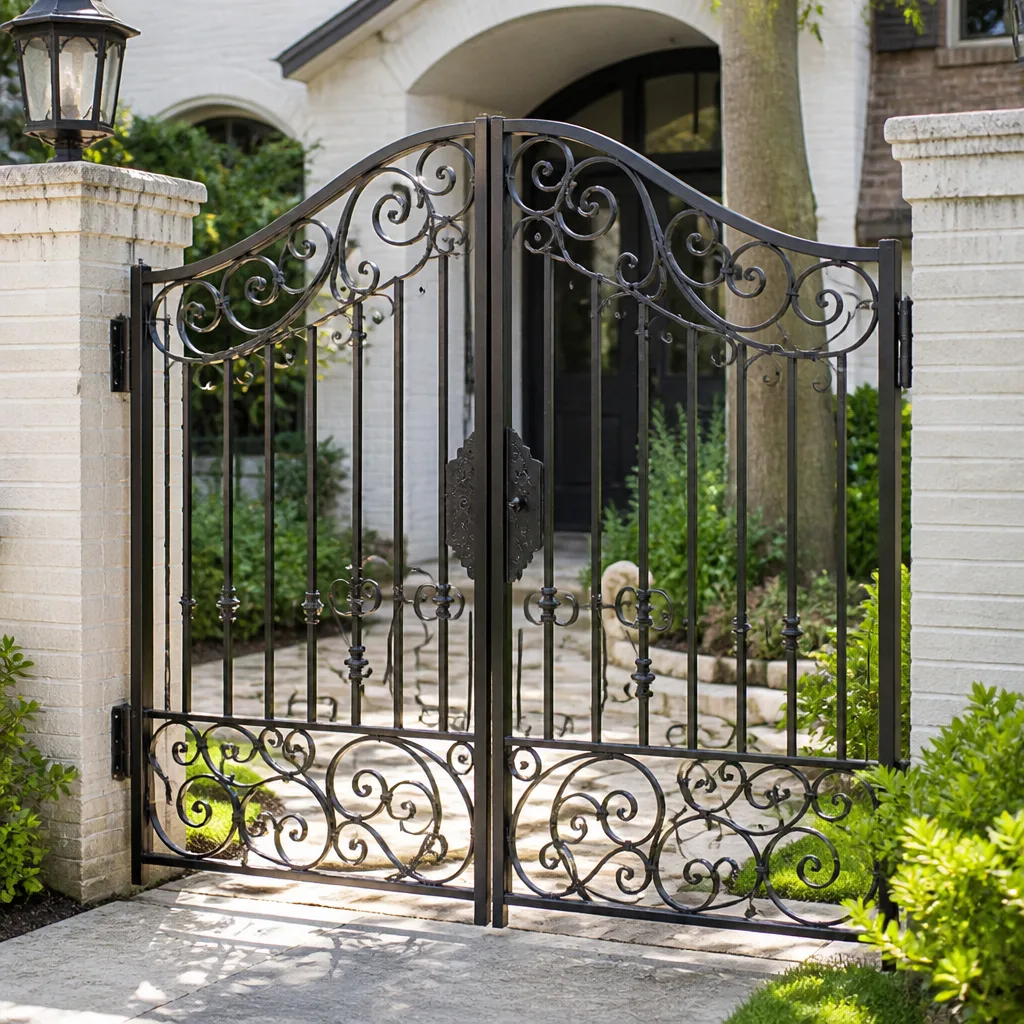 Wrought iron
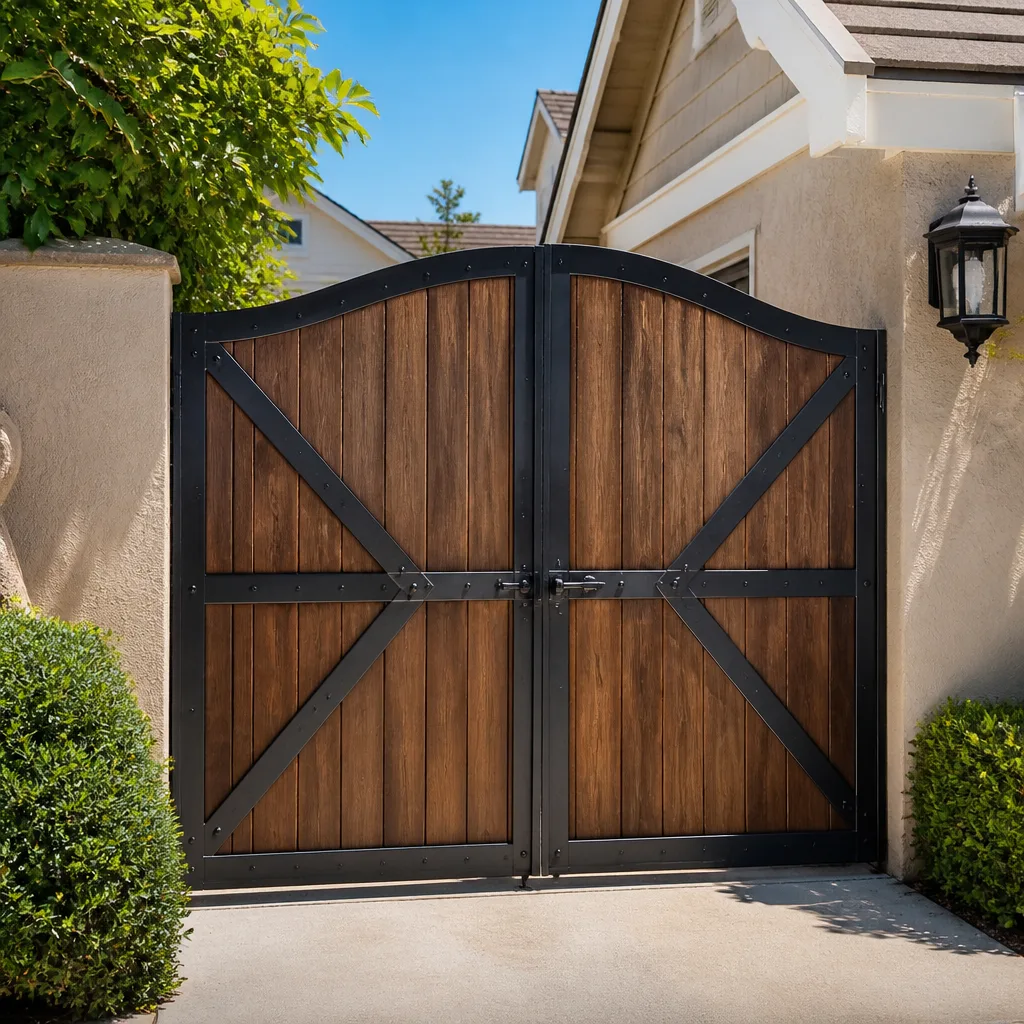 Wood & steel frame
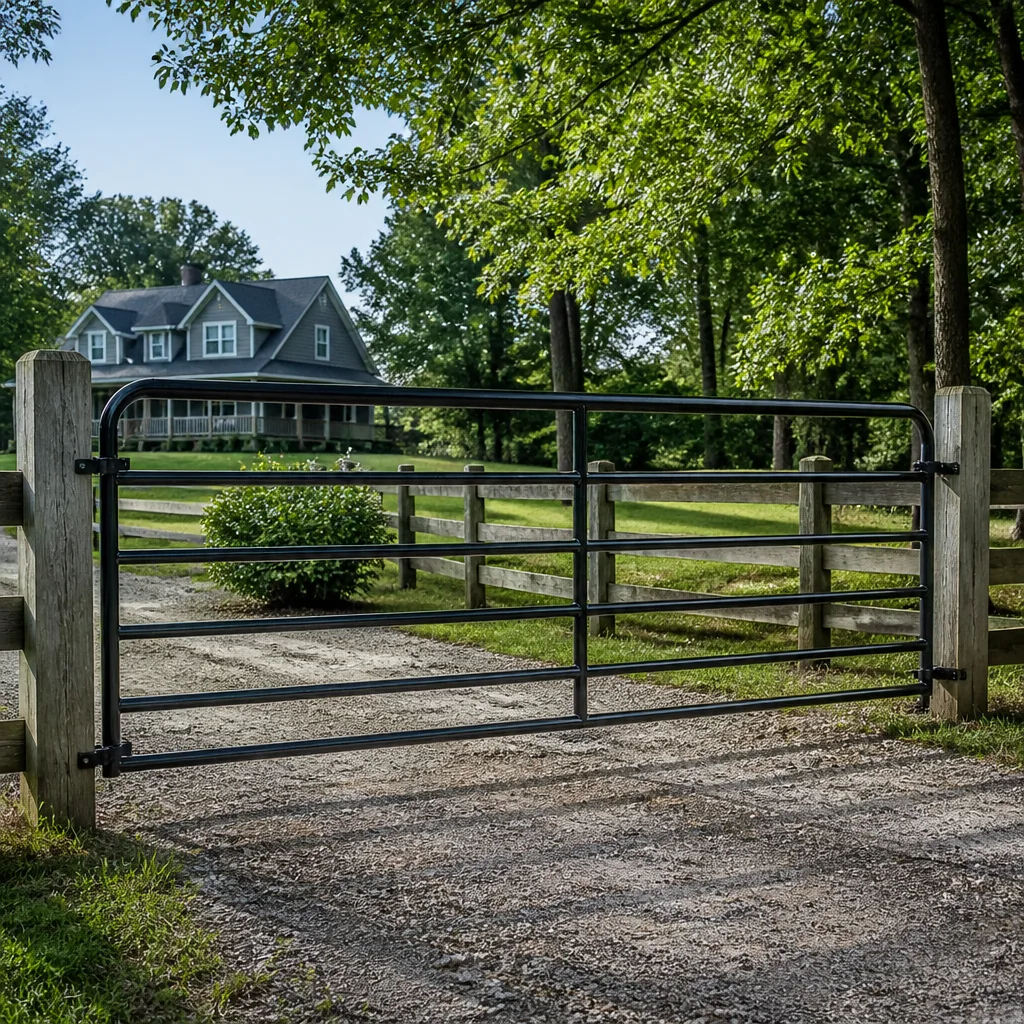 Farm & ranch
 Sliding driveway gates
 LiftMaster operators
Free on-site gate assessment - hinges, posts, and your LiftMaster or Nice gate operator checked before anything is quoted
The assessment is free and the quote is the invoice.
Get your free estimateGate Repair Troubleshooting in Joliet: Common Problems and How to Fix Them
If you’ve already tried “reset the opener” and your gate still won’t move, you’re debugging the wrong layer. Most repeat gate failures don’t start at the motor. They start at the hinge, the track, or a post that has quietly shifted under a Joliet frost cycle. The control board gets blamed because it’s the part with lights on it. The real cause is often mechanical, and it’s been building for months. This guide teaches you to read your gate’s symptoms the way a gate specialist does: sort the problem into four categories first, then act. You’ll learn what a sagging gate is actually telling you, which symptoms point to frost heave, and the exact thresholds where tinkering stops being helpful and a specialist visit starts.
Quick Answer
Gate problems in Joliet fall into four root causes: power (no electricity reaching the operator), alignment (gate or posts out of true), hardware wear (hinges, rollers, welds, latches), and control signal failure (remotes, keypads, loop detectors, limit switches). Identify the category before touching anything, because the visible symptom rarely matches the culprit. If the gate is bound, dragging, or off-level, stop using the motor and treat it as a mechanical problem first.
Styles & brands we work with
- Wrought iron
- Wood & steel frame
- Farm & ranch
- Sliding driveway gates
- LiftMaster operators
Table of Contents
- The Four-Category Diagnostic Framework
- How Joliet’s Freeze-Thaw Cycle Fools You
- Sagging Gate: Hinge, Post, or Weld?
- Power Problems: What to Check Before You Call
- Control Signal Failures: Remotes, Keypads, and Loops
- Safety Checks Before Any Manual Override
- Stop Here: When to Call a Specialist
- Operator Brands and What They Tell You
The Four-Category Diagnostic Framework
Every gate failure we diagnose sorts into one of four buckets. Sorting first cuts the diagnosis in half, because each category has its own test and its own typical fix. Homeowners who skip this step tend to replace remotes when the problem is a dragging gate, or adjust limit switches when the problem is a dead circuit.
The four categories:
- Power. The operator has no voltage, a tripped breaker, a failed transformer, or a dead battery on a solar or backup setup. Symptom: nothing happens at all, no motor sound, no lights on the control board.
- Alignment. The gate leaf, the posts, or the track are out of true, so the gate binds against its own frame. Symptom: the motor runs but strains, stalls, or reverses partway.
- Hardware wear. Hinges, rollers, wheels, latches, and welds have worn or cracked. Symptom: sagging, dragging, rattling, or a gate that closes crooked.
- Control signal failure. The operator has power and the gate is free to move, but the command never arrives or the stop point is wrong. Symptom: the gate ignores the remote, opens partway, or reverses for no visible reason.
Run the tests in that order. Power first, because a dead operator makes every other test meaningless. Alignment and hardware next, because a binding gate will trip safety systems and mimic an electrical fault. Signal last, because it’s the category most likely to be a symptom of the other three.
Why the order matters
A gate that opens halfway and reverses looks like a limit switch problem. In our experience, it’s more often a hinge that has dropped the leaf just enough to drag on the ground, which the operator’s obstruction sensing reads as a collision. Swap the control board and the new board will do exactly the same thing. Fix the hinge and the “electrical” problem disappears.
If you’ve run the power and alignment checks and the gate still won’t behave, that’s the point to bring in electric gate repair rather than keep swapping parts.
How Joliet’s Freeze-Thaw Cycle Fools You
Joliet sits in a climate with hard winter freezes and repeated thaw cycles, and that pattern moves gate posts. Ground that freezes, thaws, and refreezes lifts and settles unevenly, a process called frost heave. A gate post set in soil that goes through this cycle can shift a fraction of an inch one winter and a full inch over several. The gate doesn’t announce the shift. It just starts misbehaving in ways that look electrical.
Symptoms that point to frost heave rather than electronics
- The gate worked all summer and started failing as the ground froze or thawed in spring.
- The gate drags at one specific point in its travel, then runs fine through the rest.
- Limit switches “go out of adjustment” seasonally without anyone touching them.
- The gate leaf sits visibly lower or further from the post on one side than the other.
- The gate closes but the latch no longer lines up cleanly, and you can see daylight where it used to seat.
That last symptom catches a lot of people. When the strike post leans, the latch misses, the gate stops short, and the operator reports a fault. The fix isn’t a new latch or a new board. It’s resetting the post to proper footing depth so it stops moving with the seasons.
What to do about it
Don’t fight frost heave with limit switch adjustments. Re-adjusting the limits every spring masks the problem while the gate continues to bind, and binding wears out hinges and operators faster than anything else. If your gate misbehaves in a seasonal pattern, treat the post as the suspect. For a property manager running an automated entry in a Joliet neighborhood, a seasonal service call to true the posts is cheaper than a mid-winter failure.
Sagging Gate: Hinge, Post, or Weld?
A sagging gate is three different problems wearing the same costume, and the repair cost differs significantly depending on which one you have. Before you call anyone, do a fifteen-minute inspection. You don’t need tools beyond a level and your eyes.
Step 1: Check the hinge
Open the gate about a foot and watch the hinge from the side. If the hinge has visible play, worn pin, or a bend, the sag is coming from the hinge itself. Swing the gate through its arc by hand. A hinge failure usually binds or groans at a specific point. Hinge work is the least involved of the three repairs, though heavy gate leaves still demand two people or a specialist.
Step 2: Check the post
Hold a level against the hinge post in both directions. If the post leans, the gate will hang crooked no matter how new the hinges are. Post lean is common after a Joliet winter and shows up on gates that sit in soil with a lot of clay content. Watch the post base for movement while you push gently on the gate. If the post moves, the hinge won’t fix anything. The post needs to be reset or replaced.
Step 3: Check the weld
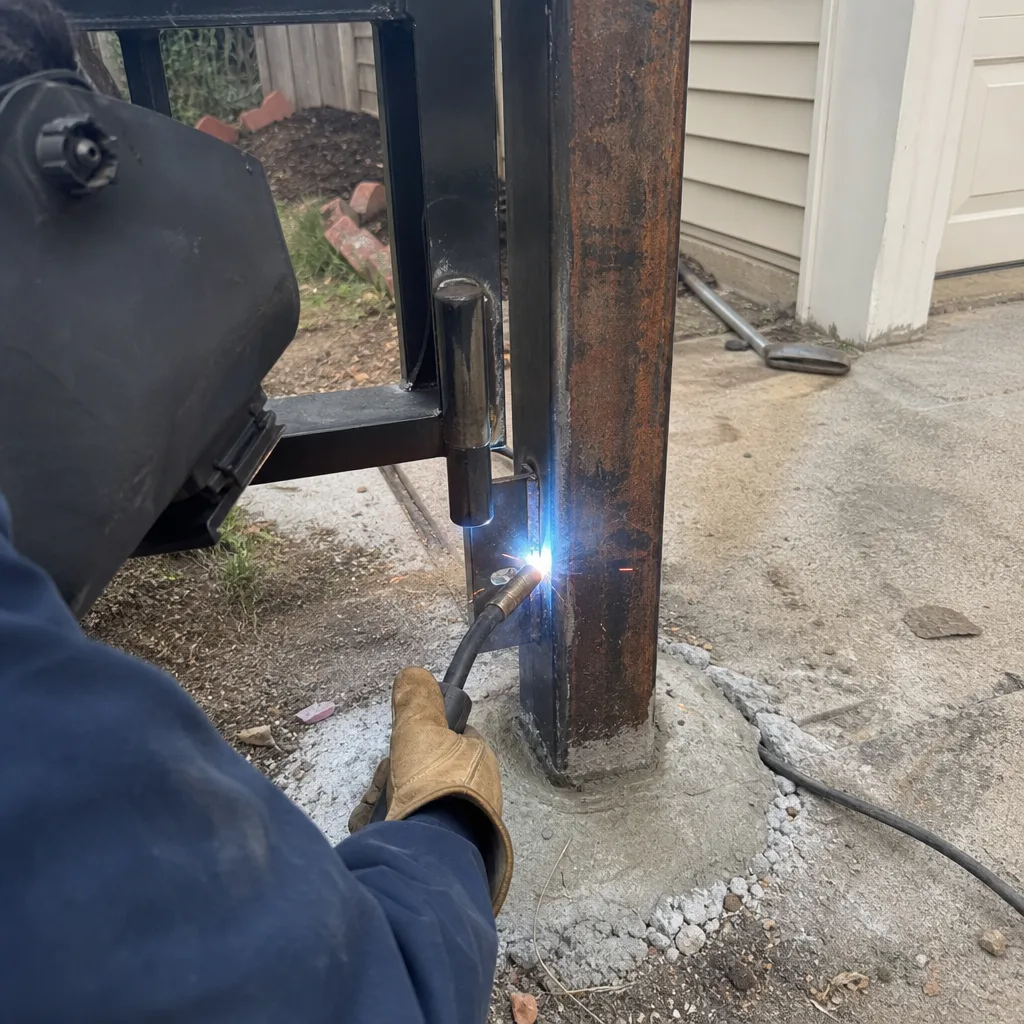
Run a hand along the gate frame joints, especially where the diagonal brace meets the rails. Look for rust lines that have cracked, flaking paint over a joint, or a visible gap. A cracked weld on a steel frame is a structural problem: the gate can fold or drop, which is dangerous around an automatic operator. Stop operating the gate if you find one.
What the three repairs typically involve
- Hinge failure: replace or rebuild the hinge, readjust the gate in its arc, and realign the operator if the leaf’s travel changed.
- Post lean: reset the post to proper footing depth, re-level, and re-anchor the hinge.
- Weld crack: cut and re-weld the joint, or replace the affected frame section, then check the gate’s geometry.
Note the difference: hinge work is a component swap, post work is foundation work, and weld repair is fabrication. Those are different jobs, and knowing which one you’re looking at is the point of this inspection. Our technicians have up to 13 years of experience telling them apart quickly.
Power Problems: What to Check Before You Call
A gate with no response at all is almost always a power problem, not a control problem. Check power before you check anything else, because a dead operator has no signal to troubleshoot.
- Find the circuit the operator runs on and look for a tripped breaker. Reset it once. If it trips again, stop; that’s an electrical fault and not a gate problem.
- Look at the operator’s control board for any light. On most LiftMaster and DoorKing systems, a lit board means the operator has voltage. A dark board usually means no power is arriving.
- Check the transformer or power supply connection. Loose connections at the terminal strip after a winter of thermal cycling are common.
- If the gate operates on a solar or battery backup, check battery state separately. A weak battery mimics a dead operator, and it’s a common cause of “the gate just stopped” in cold weather.
- Inspect the exterior wiring run for damage from lawn equipment, rodent activity, or a shovel. Broken conduit and cut control wires are routine finds.
Do not open the operator’s high-voltage enclosure or any electrical panel. The wiring inside an automated gate operator can hurt you, and only a trained professional should touch it. If your breaker trips repeatedly or you smell burning at the board, stop testing and get a technician out. Electric gate repair is our core work specifically because these systems demand someone who works on them daily rather than occasionally.
If you’ve confirmed the operator has power and the gate still won’t move, the fault is downstream. That’s where the gate repair side of the work begins.
Control Signal Failures: Remotes, Keypads, and Loops
Signal problems come in two flavors: the command doesn’t arrive, or the stop point is wrong. The first is usually a remote, keypad, or loop detector. The second is usually a limit switch or an encoder. They feel identical to a homeowner because in both cases the gate has power and the gate is free to move, and yet it misbehaves.
Command never arrives
- Try a second remote. If one remote works and another doesn’t, the problem is the remote, not the operator.
- Change remote batteries and re-test at close range before you test at distance. It’s a cheap test and rules out a whole category.
- Press the keypad and watch for any light. A keypad with a dead light may have lost power or a broken wire, especially on keypads mounted on a post that may have shifted.
- For loop detector systems, look at the detector’s indicator light. A loop detector that reads a vehicle permanently will keep the gate open or refuse to close, and it won’t clear until the loop or the detector is addressed.
Stop point is wrong
If the gate opens partway or reverses repeatedly, the limit switch or encoder setting is off. Before adjusting limits, confirm the gate is not binding. Adjustment masks a mechanical fault and shortens the life of the operator. If the limits need adjusting and the gate runs free, the settings are the fix. On Ghost Controls and Mighty Mule residential systems, this is a routine adjustment. On commercial DoorKing and Elite installations, limit and encoder work needs a specialist because the settings interact with safety edges and loop logic.
For a full reference on how a gate should behave and how much repair typically runs in the area, see our gate repair Joliet page.
Safety Checks Before Any Manual Override
Automated gates move heavy panels with real force, and the wrong manual release can let a gate fall or slide unexpectedly. Before you attempt any manual override or release, take these steps in order.
- Stop all power to the operator. Use the disconnect or the breaker at the panel, not a remote, so no one can re-energize the gate while you’re near it.
- Keep people and vehicles clear of the gate’s full swing or slide path. That includes children, pets, and anyone watching. The gate can move on its own once released.
- Look for a fail-safe brake or lock. Some slide gates have a brake that holds the gate when power is off. If you release it, the gate may move.
- Never place any part of your body in the gap between the gate edge and its closing post or receiver. That gap is a crush hazard.
- If the gate panel is cracked, loose at a weld, or leaning, don’t release it. A compromised panel can fall when it loses the operator’s hold.
Gate operators use a fairly low voltage for their controls, but the power feed to the operator and the safety device wiring can hurt you. The moving panel is the bigger danger. Our technicians are trained to work around crush and pinch points and to check the safety edges and photo-eye devices after any repair. If your gate’s safety devices aren’t working, that’s a priority repair, not a “we’ll get to it later” item.
Stop Here: When to Call a Specialist
There’s a line where tinkering stops helping and starts costing. Homeowners who cross it turn a straightforward repair into a bigger job, usually by adjusting the wrong thing and hiding the real fault. These are the thresholds we’d set for our own family.
- You’ve reset the operator and the gate still won’t move. Reset is a single step, not a diagnostic strategy.
- The breaker trips more than once. Stop. That’s an electrical fault.
- The gate binds, drags, or visibly leans. Mechanical problems get worse with every cycle, and running the motor against a bind wears out components fast.
- A weld is cracked or the panel is loose. This is a structural and safety issue.
- The gate reverses on its own, or the safety edges don’t stop it. Safety system failures need a trained diagnosis.
- You’ve adjusted the limit switches twice and the problem returned. A recurring limit issue is a symptom, not the problem.
- The operator’s control board is involved. Control board work needs to be done with the right equipment and confirmation that the rest of the system is healthy.
A binding gate left running can wear an operator motor well before its time. That turns a hinge job into an operator replacement. If you’re not sure which category you’re in, a specialist visit is the cheaper route. A Joliet gate specialist can confirm the cause on-site and quote a written estimate before any work starts.
Operator Brands and What They Tell You
Brand knowledge matters for troubleshooting because each system’s diagnostics, safety logic, and common failure points differ. A specialist who works with a given brand regularly knows its controller behavior and won’t guess. We work with LiftMaster, FAAC, BFT, Linear, Viking, Ghost Controls, DoorKing, Elite, and Mighty Mule.
Residential and light commercial
Ghost Controls and Mighty Mule systems are common on residential driveways, and their failures tend to be battery and limit-related in cold weather. A weak battery on a solar setup is one of the most common “the gate just quit” calls we see. DoorKing and Elite cover heavier commercial and multi-tenant systems, where loop detectors and access control logic are part of the diagnosis. LiftMaster spans both, with a broad range of operators and accessories.
Why this matters for troubleshooting
Knowing the brand tells you where to look first. For example, a gate that reverses mid-travel on one operator family may point at an obstruction sensor, while on another it points at encoder readings. That’s why brand-specific experience shortens the path from symptom to fix. If you’d like a straight answer about your system, our gate repair and electric gate repair services cover residential and commercial gates across a wide range of operators, and we’re a gate-only specialist, not a general contractor with a gate line on the side.
Common Mistakes to Avoid
- Replacing the operator before checking alignment. A binding gate kills a brand-new operator just as fast as the old one. Sort the cause first, then decide if the operator is the fix.
- Adjusting limit switches on a gate that binds. This hides the mechanical fault and wears out the operator and hinges faster. If the gate drags, the limit isn’t the culprit.
- Ignoring seasonal changes. A gate that works all summer and fails at the first hard freeze in Joliet is telling you about frost heave, not the control board. Look at the post before anything else.
- Running the motor on a gate with a cracked weld or loose panel. That’s a crush and fall hazard. Stop using the gate and treat it as structural.
- Treatment of remotes as the whole diagnosis. Buying a new remote when the keypad wire is cut, or when a loop detector is stuck open, wastes money and leaves the gate dead.
- Changing more than one thing at a time. If you swap a remote and adjust the limits on the same visit, you can’t tell which one fixed it, and you’ve probably introduced a new fault.
- Delay on a gate that reverses for no reason. Reversing can mean an obstruction sensor is seeing something that isn’t there, or a safety edge has failed. Both are safety issues and both need prompt attention.
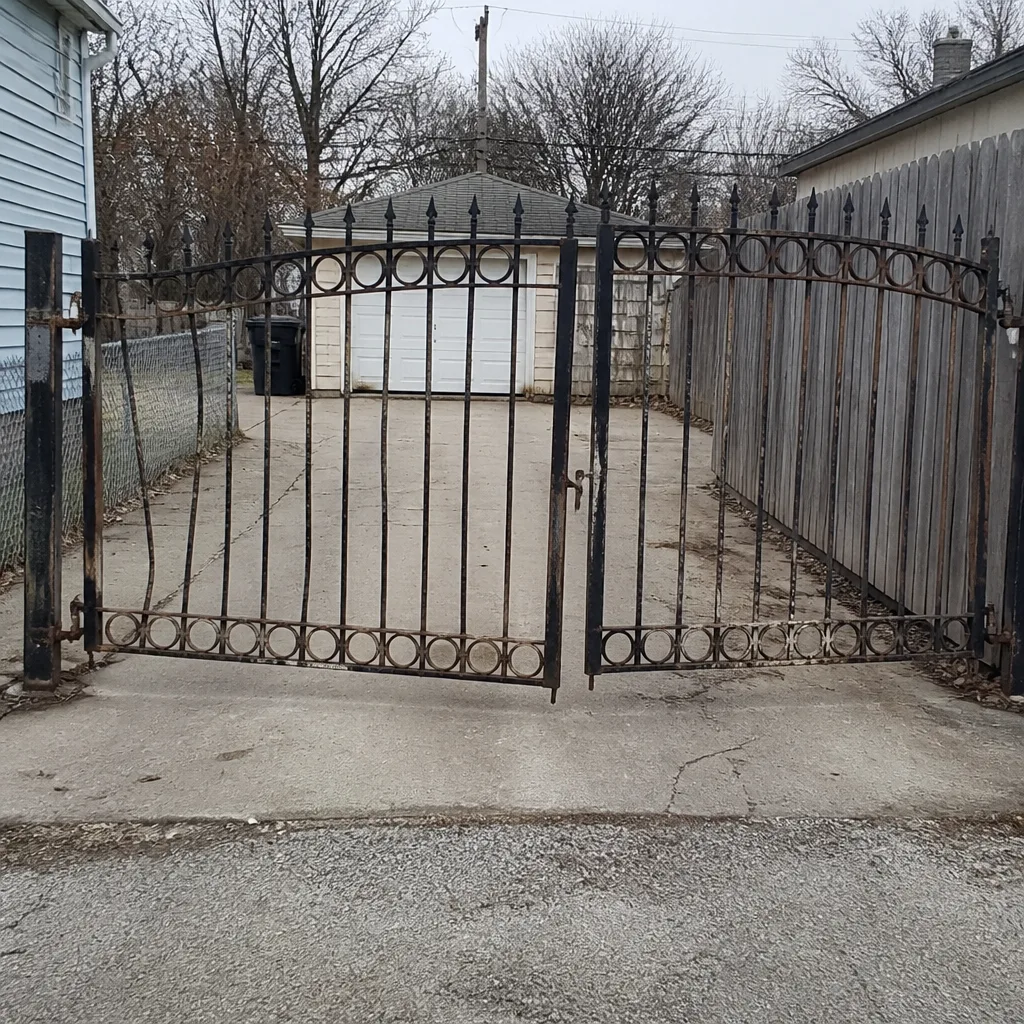
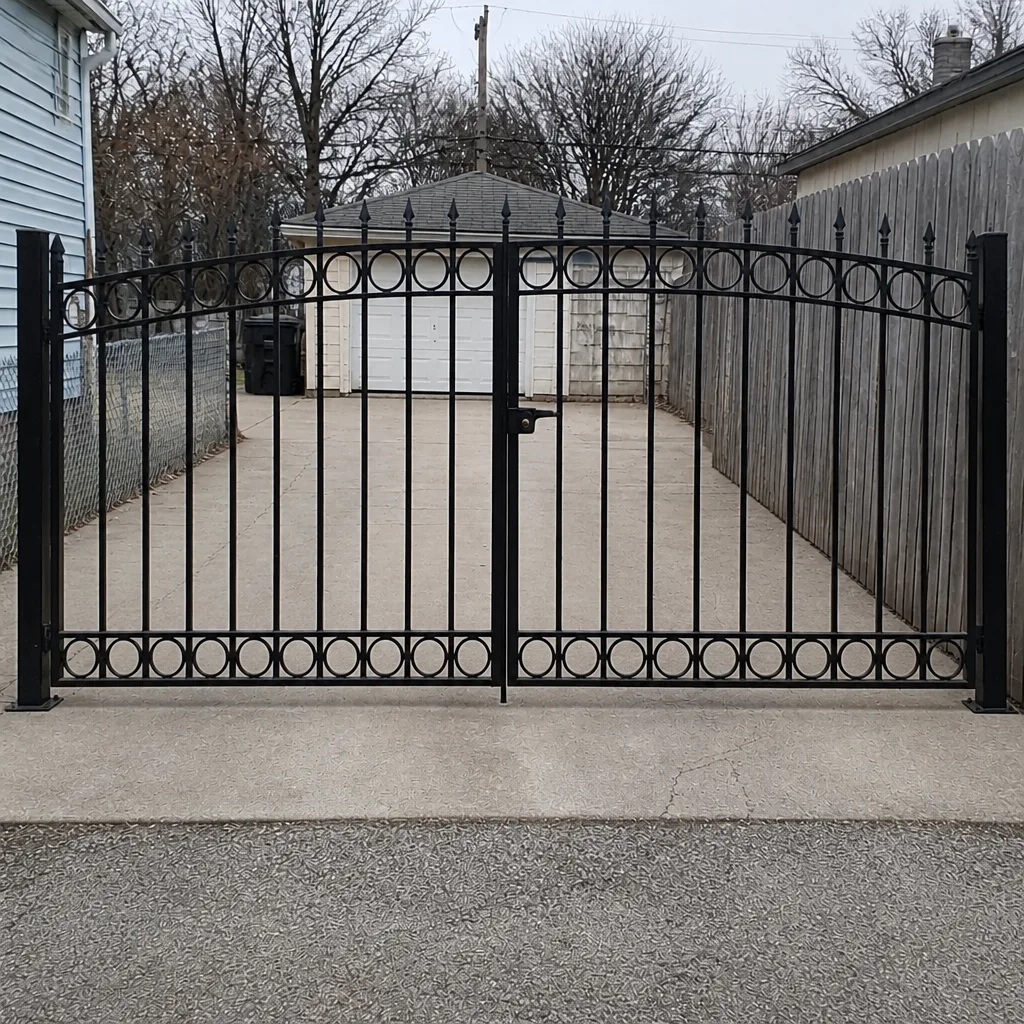
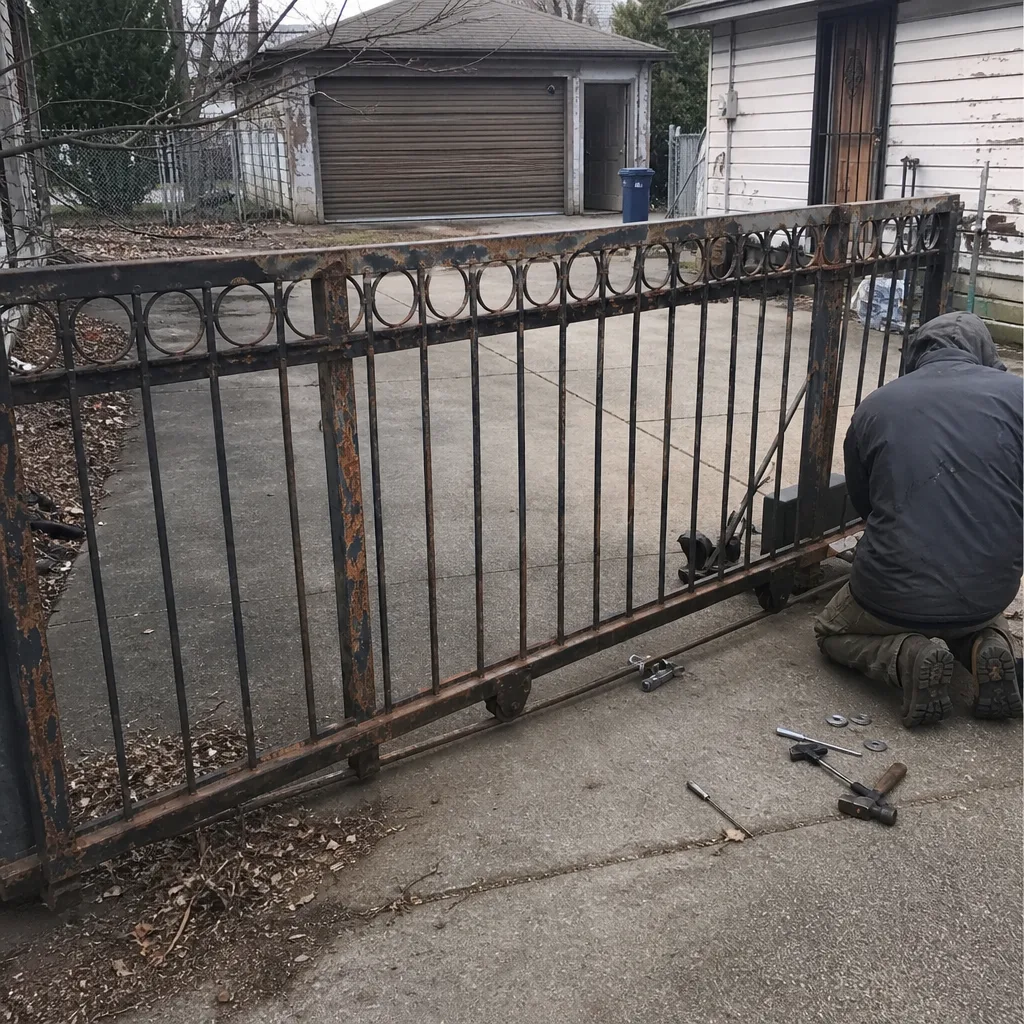
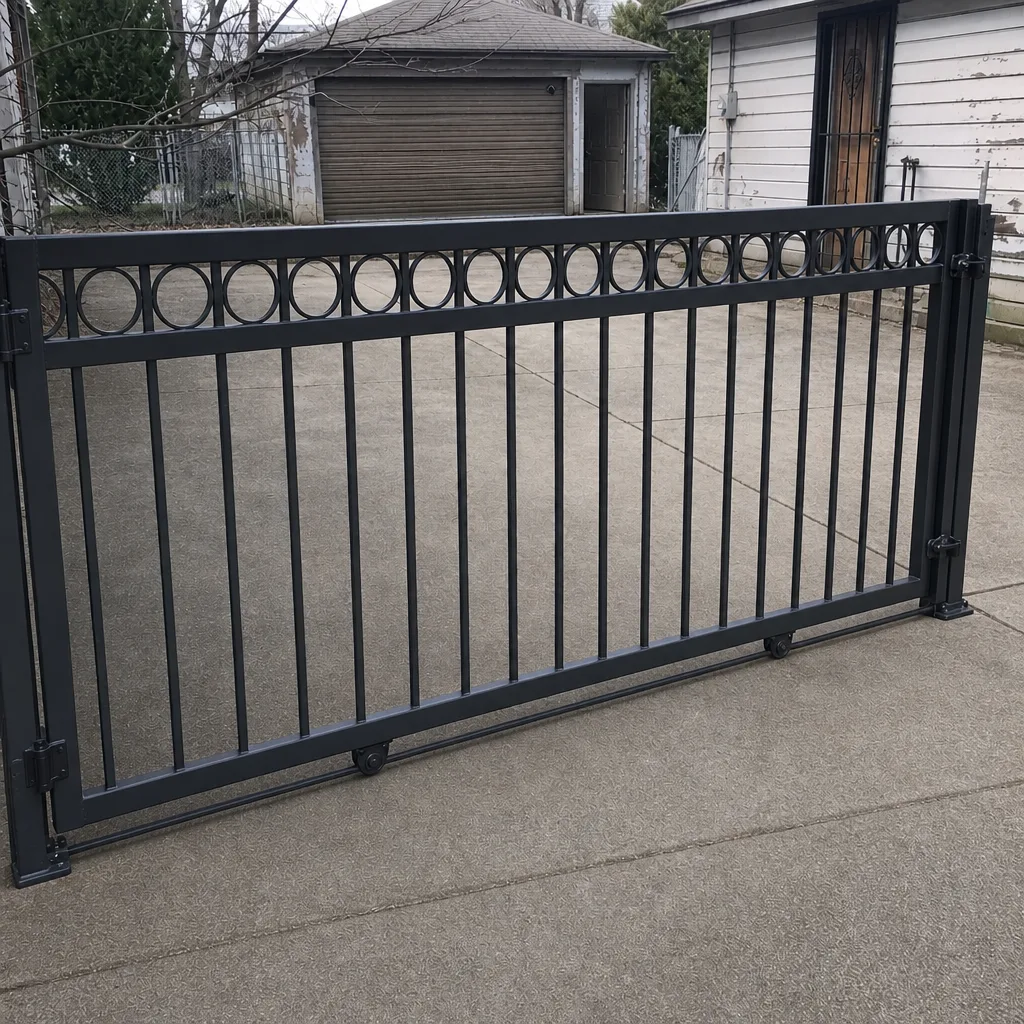
See the difference
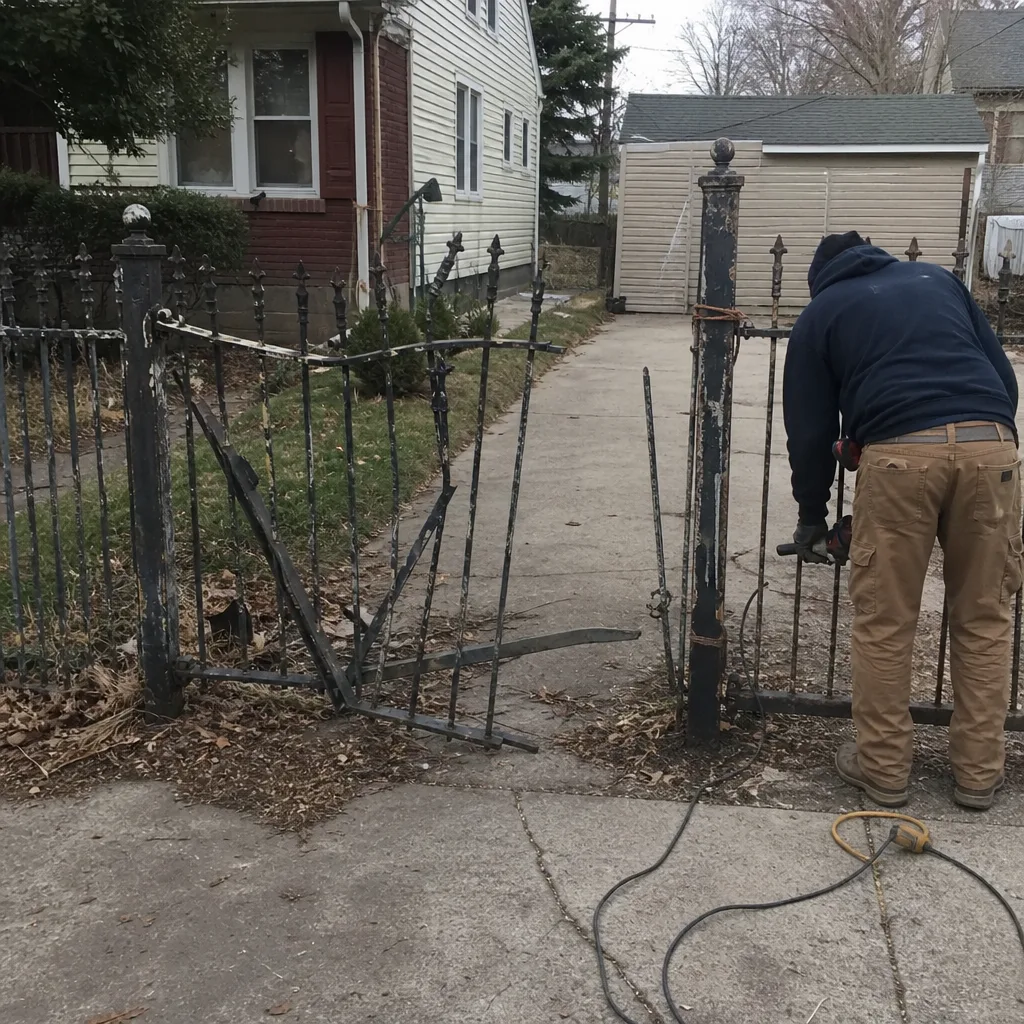 Before
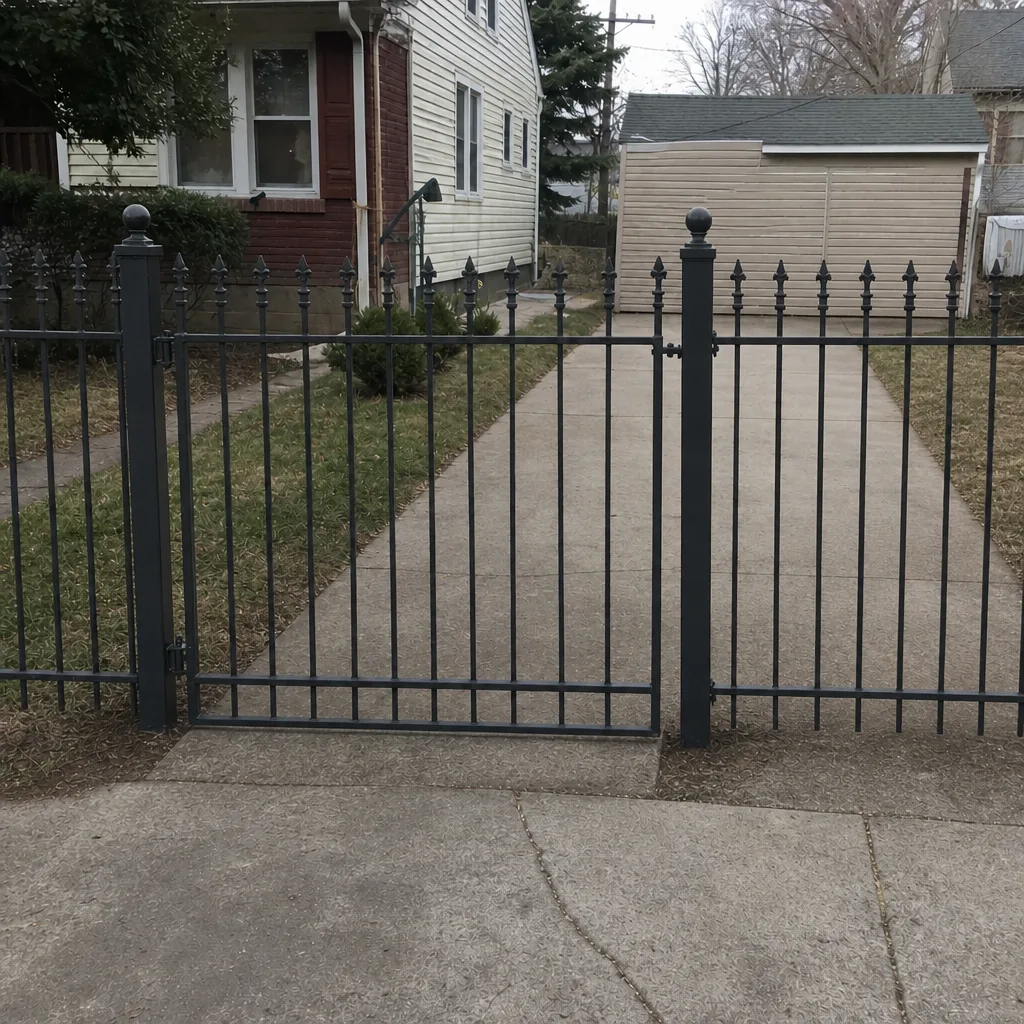 After
 Before
 After
 Before
 After
When to Call a Professional
Call a specialist when the gate is binding, when the operator’s control board or high-voltage wiring is involved, when a safety edge or photo-eye has failed, or when a repair you tried yourself didn’t hold the second time. Also call if the gate panel is cracked, a weld is loose, or a post has shifted far enough that the latch no longer lines up. Those are the cases where the diagnosis is worth more than the part. Gate Repair Joliet offers free estimates in Joliet. Call (855) 360-8227. We answer 24/7. Fast dispatch from 7am to 7pm, Sunday through Friday. Every price is quoted and agreed before any work starts, so the written estimate is the final word.
Frequently Asked Questions
Cold weather exposes power and alignment problems that were already there. Frost heave shifts posts and throws limits off, and batteries lose output in cold weather. Start with the power and alignment checks in this guide. If the gate drags or leans, treat it as mechanical, not electrical. Call (855) 360-8227 for a diagnosis if it’s not clear, and estimates are free.
A gate that reverses is usually sensing something in its path, or its safety edge or photo-eye is reporting an obstruction that isn’t there. It can also be a hinge failure that makes the leaf drag and trip the operator’s obstruction sensing. Don’t bypass the safety device to force it closed. Call (855) 360-8227 to have it checked.
Yes, and this is the most misdiagnosed issue on automatic gates. A sag can come from the hinges, from a post that has leaned or settled, or from a cracked frame weld. Those are three different repairs. The inspection in this guide tells you which one you have in about fifteen minutes. If the post moves when you push on the gate, it’s the post.
It depends on the operator and the gate’s condition. Before any manual release, shut off power at the breaker, keep everyone clear of the gate’s path, and check for a brake or lock that will let the gate move once released. If the panel looks damaged or leans, don’t release it. Never put hands or body in the closing gap. Call (855) 360-8227 if you’re unsure.
Repair pricing depends on which category the failure is in. A hinge adjustment is very different from resetting a post or repairing a cracked weld. That’s why the four-category check comes first. We quote every job as a written estimate before any work starts. Call (855) 360-8227 for a free estimate.
Yes. We’re equipped for residential and commercial gate systems, and we work with LiftMaster, FAAC, BFT, Linear, Viking, Ghost Controls, DoorKing, Elite, and Mighty Mule. That includes loop detectors, keypads, safety edges, and control board diagnostics. Call (855) 360-8227 to talk through your system.
The Bottom Line
Gate problems are rarely what they look like on the surface. Sort every failure into power, alignment, hardware, or signal before you spend a dollar, and run the checks in that order. In Joliet, remember that the freeze-thaw cycle moves posts and throws limits off in ways that mimic electrical faults. A sagging gate is a hinge job, a post job, or a weld job, and the inspection tells you which. Stop tinkering at the thresholds in this guide: binding gates, repeated breaker trips, cracked welds, and failed safety devices all need a trained eye. The cost of a specialist diagnosis is small next to the cost of a misdiagnosed repair. Diagnose smart, and your gate gets moving again.
Written by the team at Gate Repair Joliet.