
Last updated November 16, 2026
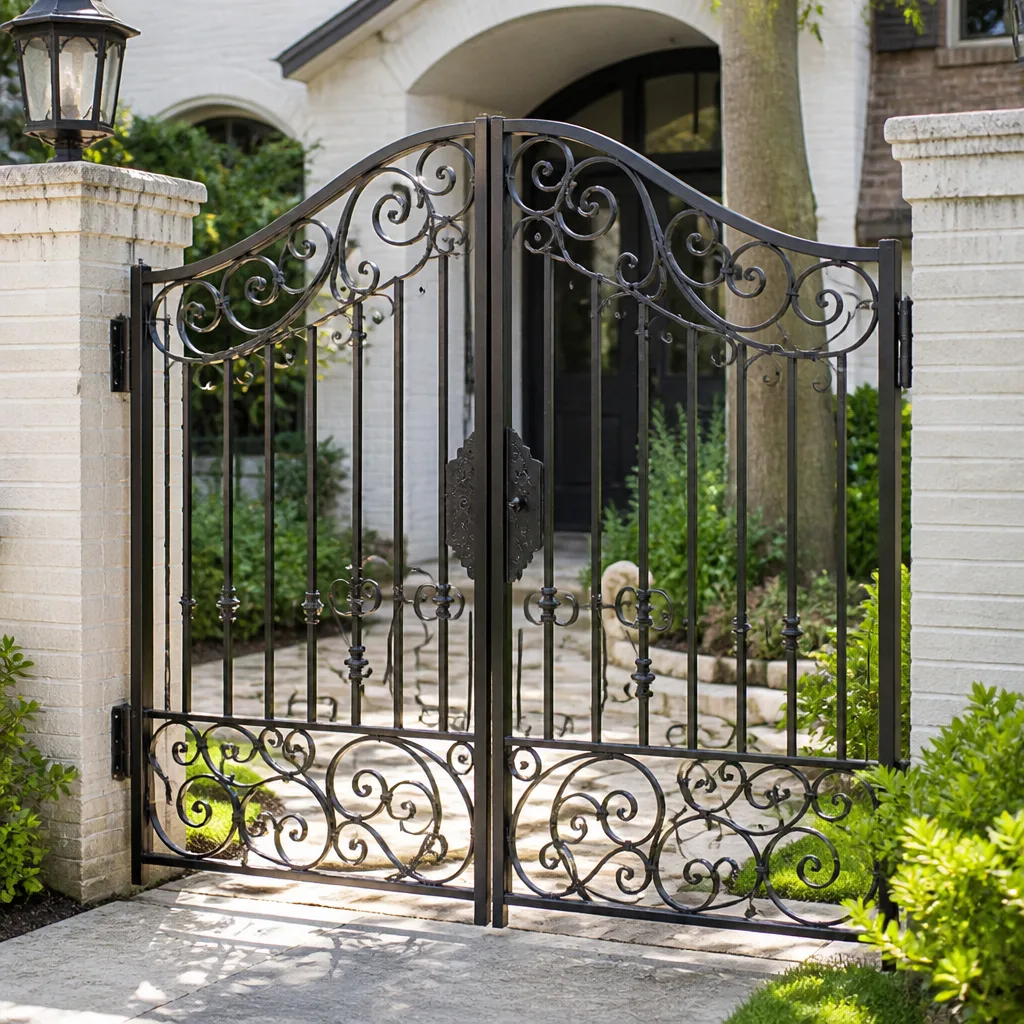 Wrought iron
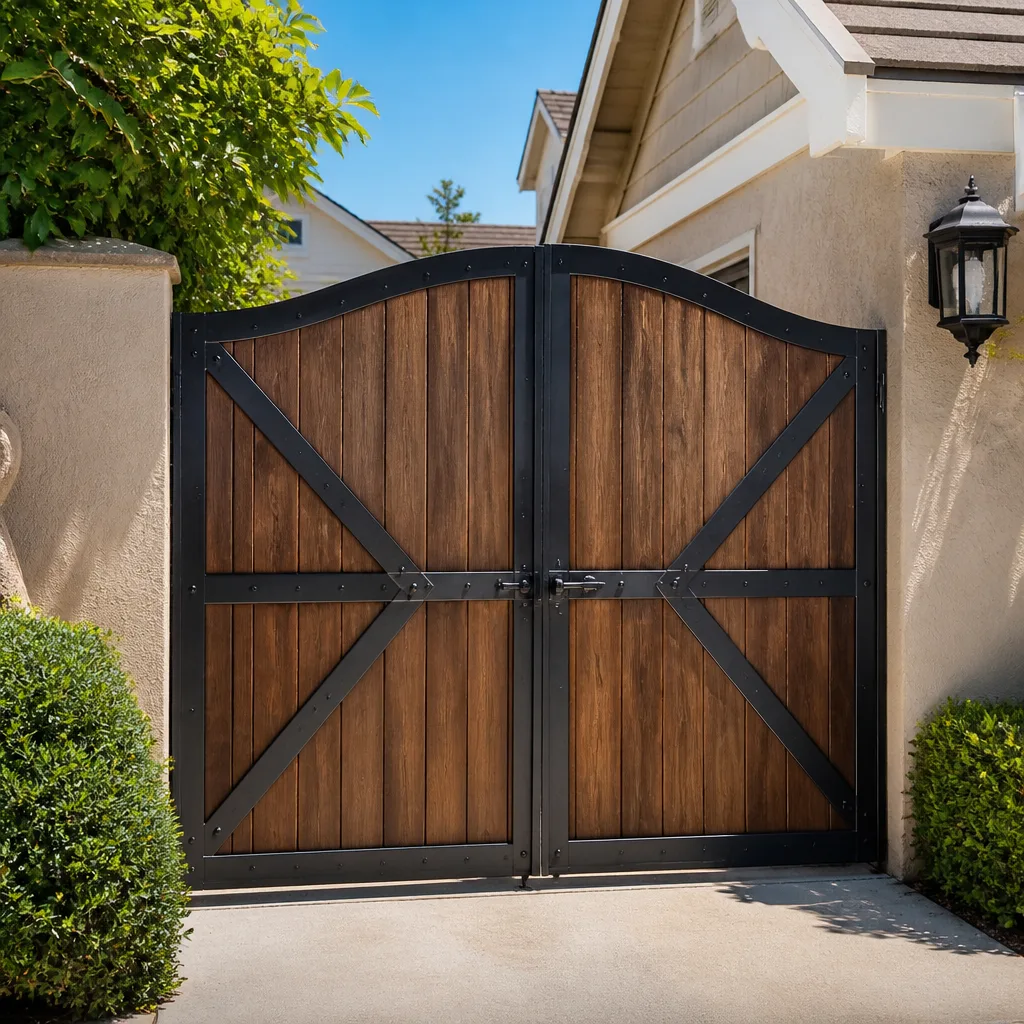 Wood & steel frame
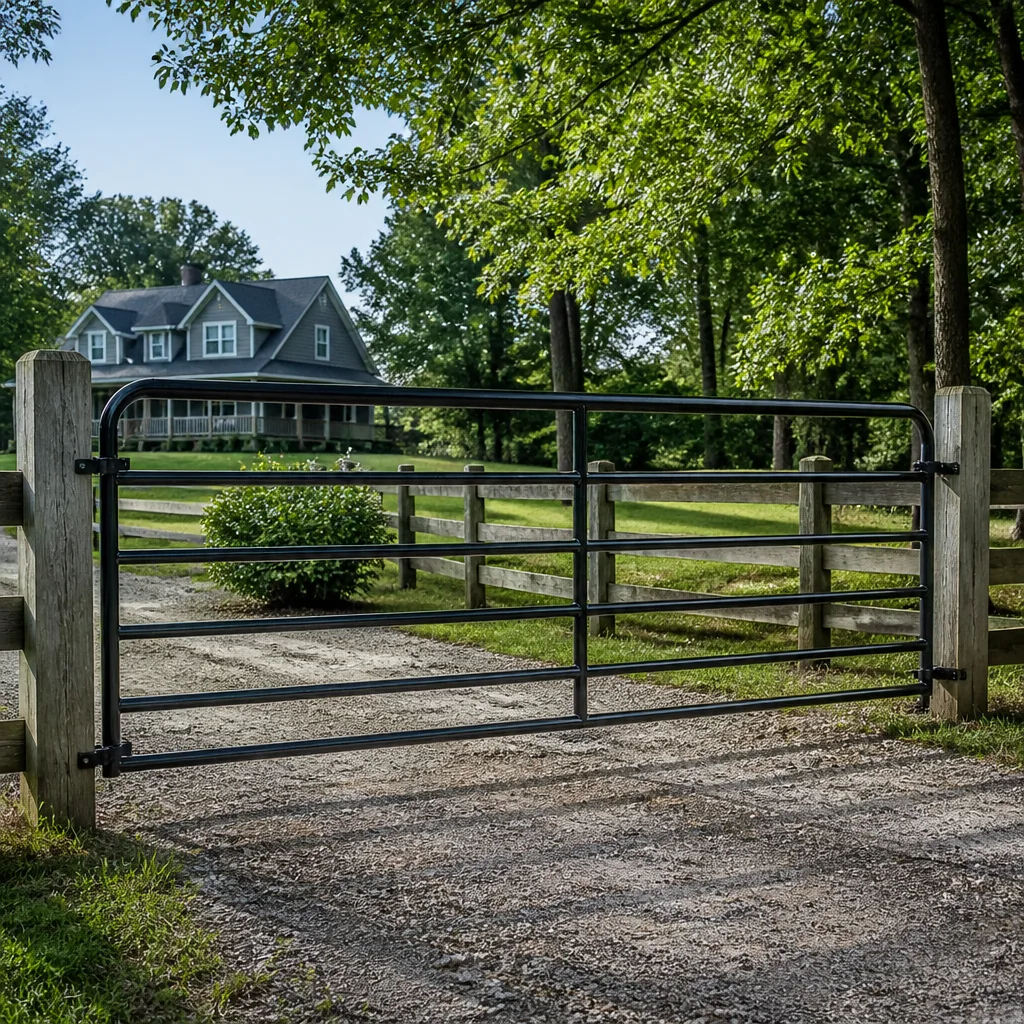 Farm & ranch
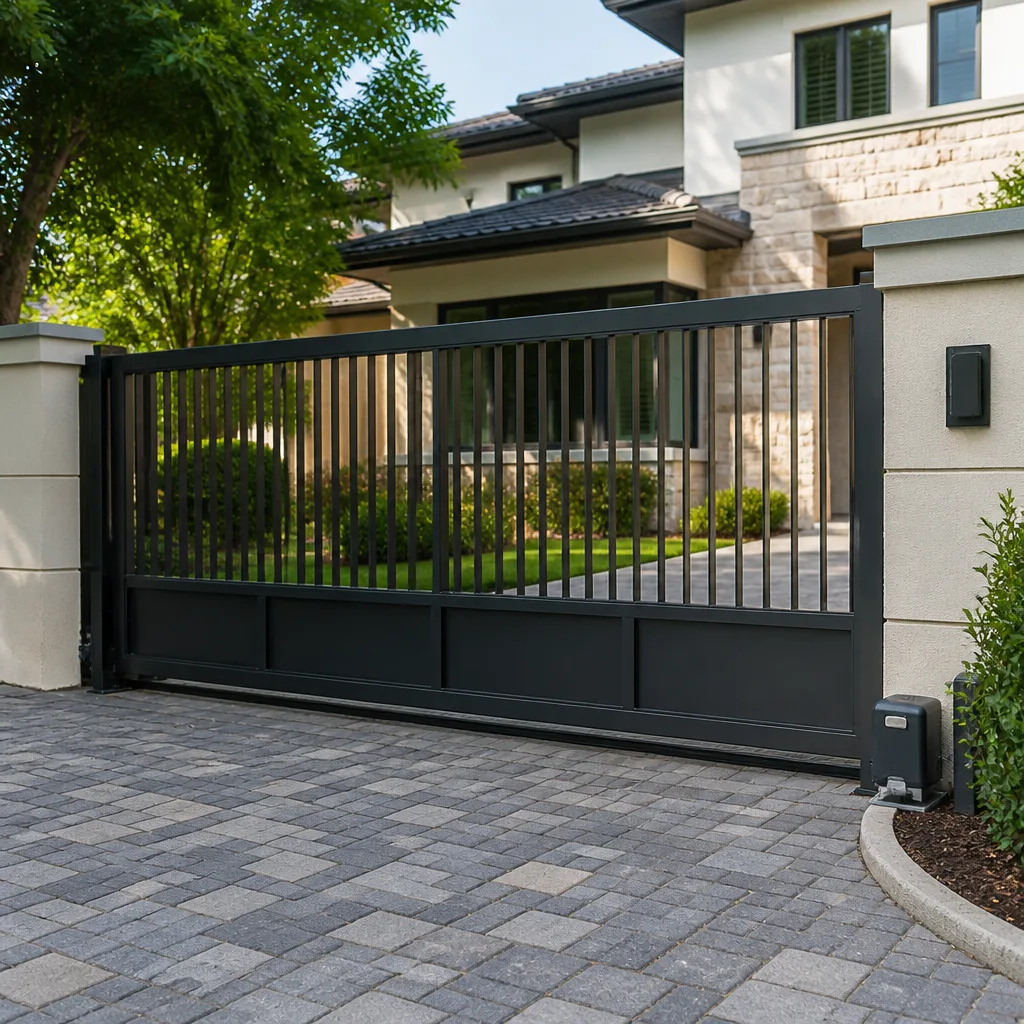 Sliding driveway gates
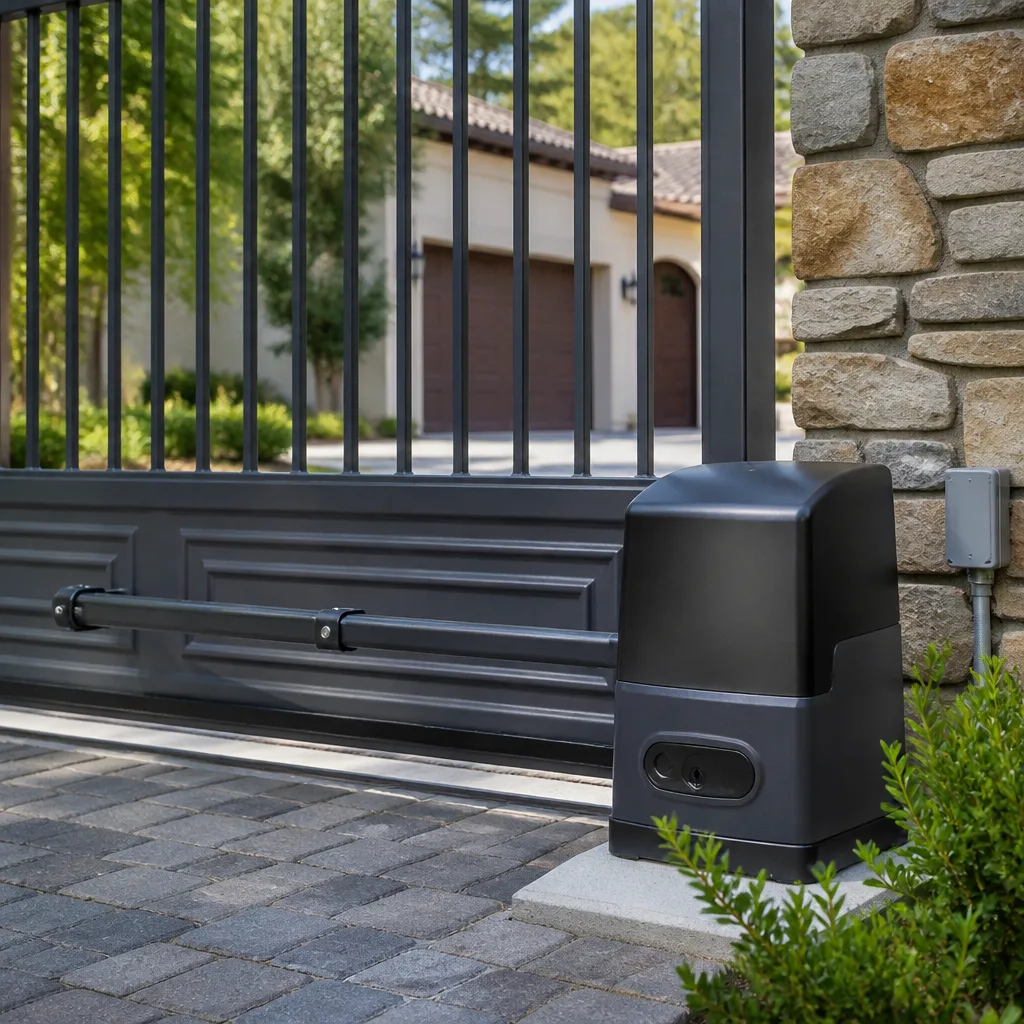 LiftMaster operators
Free on-site gate assessment - hinges, posts, and your LiftMaster or Nice gate operator checked before anything is quoted
The assessment is free and the quote is the invoice.
Get your free estimateThe Complete Guide to Gate Repair in Joliet
A gate that grinds when it opens isn’t necessarily a motor problem. More often than not, it’s a misaligned track or a worn roller that the motor is quietly compensating for. Replace the motor without fixing the root cause, and you’ll be shopping for another one in 18 months. That’s the single most expensive misunderstanding in gate repair, and it’s why we wrote this guide. We’ll map the five root-cause categories behind nearly every gate failure, show you how to tell which one you’re dealing with, and explain when a repair is a real fix versus a delay. Along the way we’ll cover the gate types common across Joliet and why our clay-heavy soil matters more than most homeowners realize.
Quick Answer
Most gate problems fall into one of five root causes: mechanical wear, structural settling, electrical failure, weather damage, or improper original installation. Identifying the category tells you whether you’re looking at a small part replacement or a larger structural job. A specialist diagnosis is what separates the two, and it’s the step generalist contractors typically skip.
Styles & brands we work with
- Wrought iron
- Wood & steel frame
- Farm & ranch
- Sliding driveway gates
- LiftMaster operators
Table of Contents
- The Five Root Causes of Gate Failure
- How Joliet’s Clay-Heavy Soil Shifts Your Gate
- Gate Types Common in Will County and Their Failure Patterns
- Electric and Automated Gate Repair
- Repair or Replace? A Five-Year View
- What a Specialist Diagnosis Covers
- Seasonal Care for a Joliet Gate
- What Gate Work Costs and How Estimates Work
The Five Root Causes of Gate Failure
Every jammed, dragging, or unresponsive gate we diagnose fits into one of five categories. Knowing the category changes the whole conversation about cost and repair.
- Mechanical wear. Hinges, rollers, tracks, latches, and operator arms wear out with use. A roller that’s flattened on one side makes the gate ride high on that side, and the motor works harder to push through the drag. This is the most common and most fixable category.
- Structural settling. Posts and footings move. When the ground shifts, a gate that was true hangs crooked, and the closing edge no longer lines up with the latch. Fixing the symptom without addressing the post doesn’t hold.
- Electrical failure. For automated gates, this covers control boards, loop detectors, safety edges, wiring, and the operator’s motor assembly. Symptoms include a gate that stops mid-travel, reverses for no reason, or won’t respond to the remote at all.
- Weather damage. Freeze-thaw cycles, rain, wind, and summer sun all work on a gate. Wood swells and warps, metal rusts at weld points, and vinyl can crack in extreme cold.
- Improper installation. A gate hung on undersized posts, with footings that weren’t dug to proper depth, or with an operator sized wrong for the panel weight will fail early no matter how well it’s maintained.
We run this five-category checklist on every Gate Repair Joliet call because it stops the guesswork. When a generalist quotes a full motor replacement and the actual problem is a warped track, that’s a misdiagnosis, not a repair.
How Joliet’s Clay-Heavy Soil Shifts Your Gate
Joliet sits on clay-heavy soil, and clay does two things that matter for gates: it swells when wet and shrinks when dry. Across a year of wet springs and dry summers, the ground under a gate post moves. Posts that were set correctly in stable soil can settle unevenly in clay, and that’s the root of most “my gate won’t close” calls we handle in this city.
Contractors from neighboring regions often miss this. They diagnose the visible problem (a sagging gate, a latch that won’t catch) and adjust the hardware, but the post underneath is the real source. A gate that gets re-hung on a post that’s still moving comes back out of alignment within a season.
What to look for:
- A gap that appears between the gate and the post at the top or bottom of the closing edge.
- A gate that drags on the ground only after heavy rain.
- Hairline cracks radiating from the base of a masonry post.
- A latch that catches easily in dry months and misses in wet ones.
- For sliding gates, a track that’s no longer level along its run.
When we see these signs, the fix starts with the post and footing, not the hinges. In our experience in Joliet, addressing the foundation first is what makes a repair last through a full year of clay movement. Our technicians have up to 13 years of experience diagnosing exactly this pattern.
Gate Types Common in Will County and Their Failure Patterns
Will County has a mix of housing stock, from older neighborhoods with mature trees to newer subdivisions. The gate types differ, and so do their failure patterns and repair timelines. Here’s how they break down.
Wood Privacy Gates
The most common residential type in Joliet. Wood swells in humid summers and shrinks in winter, so hinges loosen and panels warp. Expect to re-tighten hardware seasonally and to see the gate begin to sag within several years if the posts aren’t checked. Wood repair is the most frequent job we do.
Wrought Iron Gates
Durable but heavy. Wrought iron puts more load on hinges and on automatic operators, so mechanical wear shows up sooner. Rust at weld points is the other weak spot, especially where paint has chipped. These gates often need operator service rather than panel repair.
Vinyl Gates
Low maintenance but not indestructible. Vinyl gets brittle in hard cold snaps, so cracks and stress fractures appear at hinge points and panel edges. Repair is usually a parts swap, though a cracked stile can mean a full panel replacement.
Chain Link Gates
Common on commercial and rental properties. Sagging from stretched fabric and worn hinges is typical, and the frames bend more easily than solid panels. These are economical to repair but need attention when the frame gets out of square.
If you’re not sure which type you have or which failure pattern fits, our gate repair team can tell you in a single visit. Matching the repair to the material is half the job.
Electric and Automated Gate Repair
Electric and automated gate repair is our core work, not a side service. That matters because the components that fail on an automated gate are exactly the ones generalists decline or misdiagnose: control boards, loop detectors, safety edges, motor assemblies, and the wiring between them.
We work hands-on with equipment from nine operator brands: LiftMaster, FAAC, BFT, Linear, Viking, Ghost Controls, DoorKing, Elite, and Mighty Mule. That brand coverage means we can usually repair or update the operator you already own instead of pushing a full replacement. If you have a DoorKing system on a commercial entrance or a Mighty Mule on a residential driveway, we’ve seen the specific failure patterns each one produces.
Common automated failures and what they usually point to:
- Gate stops mid-travel and reverses. Often a safety edge or loop detector triggering, not the motor.
- Gate won’t respond to the remote but works on the keypad. Usually a receiver or remote issue, not the operator.
- Gate moves slowly or stalls. Could be motor wear, but check the mechanical track and rollers first. The operator may be fighting a mechanical drag.
- Gate opens but won’t close. Safety sensor or wiring fault most of the time.
- Operator clicks but nothing moves. Control board or capacitor, diagnosed on site.
A Word on Safety
Automated gates carry real risk. The operator’s wiring is live, the panels are heavy enough to crush, and a sliding gate that comes off its track is genuinely dangerous. Don’t open a control box or attempt to bypass a safety edge yourself. Safety edges and loop detectors exist to stop the gate on contact, and disabling them to “get it working” defeats the purpose. Call a trained technician. Our electric gate repair team handles the wiring and safety components as routine work. We answer 24/7, with fast dispatch from 7am to 7pm, Sunday through Friday.
Repair or Replace? A Five-Year View
The question isn’t whether a repair is cheaper today. It’s whether the repair is a true fix or a delay. Here’s how we frame it.
Repair is usually the right call when:
- The problem is a single worn or broken component (a roller, a hinge, a latch, a control board).
- The posts and footings are solid and the gate is still square.
- The operator is functioning and only one sub-system has failed.
- The panel material is sound and the issue is mechanical, not structural.
Replacement tends to be cheaper over five years when:
- The posts have settled and can’t be stabilized economically.
- The operator is past its serviceable life and parts are hard to source.
- The panel itself is rotting, cracked through, or out of square beyond adjustment.
- You’re facing repeated repairs on the same failed component every season.
The five-year view matters because a patched gate that fails twice a year costs more in repeat visits than a single replacement. Generalists tend to default to whatever they can do in one trip. As a gate-only specialist, we diagnose across the full lifecycle, from first installation to years of repairs, so we can tell you honestly which path is cheaper for your situation. Our technicians have up to 13 years of experience making exactly that call.
What a Specialist Diagnosis Covers
A generalist fence-and-gate quote typically skips the diagnostic layer that separates a real fix from a band-aid. Here’s what a gate-only diagnosis includes that you won’t always get elsewhere.
- Post and footing inspection. Is the ground moving? Are the posts sound? This determines whether any repair will hold.
- Full mechanical trace. Hinges, rollers, tracks, arms, and latches tested under load, not just eyeballed.
- Operator diagnostics. Control board, safety edge, loop detector, and wiring tested individually to isolate the failing sub-system.
- Load and balance check. Is the operator sized correctly for the panel? An undersized operator wears out early.
- Root-cause mapping. Which of the five categories does the failure belong to, and what’s the fix that addresses that category?
- Five-year projection. Repair, replace, or stabilize, with the reasoning laid out.
Because we work with nine operator brands, we can diagnose the actual equipment in front of us rather than declining it or guessing. That multi-brand fluency is what lets us repair or update existing hardware instead of defaulting to a full replacement. And because the price is quoted and agreed before any work starts, you’ll know the scope and the cost before a wrench comes out.
Seasonal Care for a Joliet Gate
Joliet’s climate gives a gate a workout. Wet springs, dry summers, and hard freezes all leave their mark. A few simple habits keep small problems from becoming structural ones.
- Spring: After the freeze-thaw season, check that the gate still hangs true. Look for new gaps at the closing edge or dragging.
- Summer: Tighten loose hinges and latches, and look for wood swelling after the warm, humid stretch.
- Fall: Clear the track and hinges of leaves and debris. On sliding gates, check the track for level.
- Winter: Watch for ice buildup in tracks and around the operator. Keep drain routes clear so water doesn’t pool at the footings.
These aren’t maintenance plans or contracts, just commonsense checks. When something moves out of adjustment, a one-time visit priced after we look at the gate is what’s called for. Most small issues are cheaper to fix early, before clay movement or operator wear compounds them.
What Gate Work Costs and How Estimates Work
Gate work is priced per job after we look at the actual problem, so there’s no single number up front. What you should know is that the estimate is free, and the price is quoted and agreed before any work starts. That means no surprises on the invoice.
A written estimate lays out the scope of the work and the total. If the diagnosis says a $40 roller and a re-hang will fix it, that’s what you’ll see. If the root cause turns out to be a settled post, the estimate will say so and explain the correction. We’d rather give you the honest scope than quote a motor replacement to cover a track problem.
The single biggest cost driver on a gate is misdiagnosis, not parts. Fixing the wrong component (the motor when the real issue is a warped track, the latch when the real issue is a moving post) means paying twice. That’s the case for starting with a specialist diagnosis. Call (855) 360-8227 for a free estimate. We answer 24/7. Fast dispatch from 7am to 7pm, Sunday through Friday.
Common Mistakes to Avoid
- Replacing the operator before checking the mechanical track and rollers. A motor that fails early is often fighting a drag that a $40 part would fix.
- Re-hanging a gate on a post that’s still moving. In Joliet’s clay soil, this is the most common way a repair gets repeated within a season.
- Disabling a safety edge or loop detector to “get the gate closing.” That trades a few dollars for a real risk to people and property. Safety components belong to a trained technician.
- Ignoring post and footing inspection on a generalist quote. If the foundation isn’t checked, the source of the problem is being skipped.
- Painting over rust at weld points on wrought iron without treating it first. The rust keeps going under the paint.
- Assuming a remote failure means the operator is dead. Usually it’s the receiver or the remote itself, which is a far cheaper fix.
- Choosing a replacement based on panel price alone. Five-year cost, including repeat repairs and operator wear, is the number that matters.
See the difference
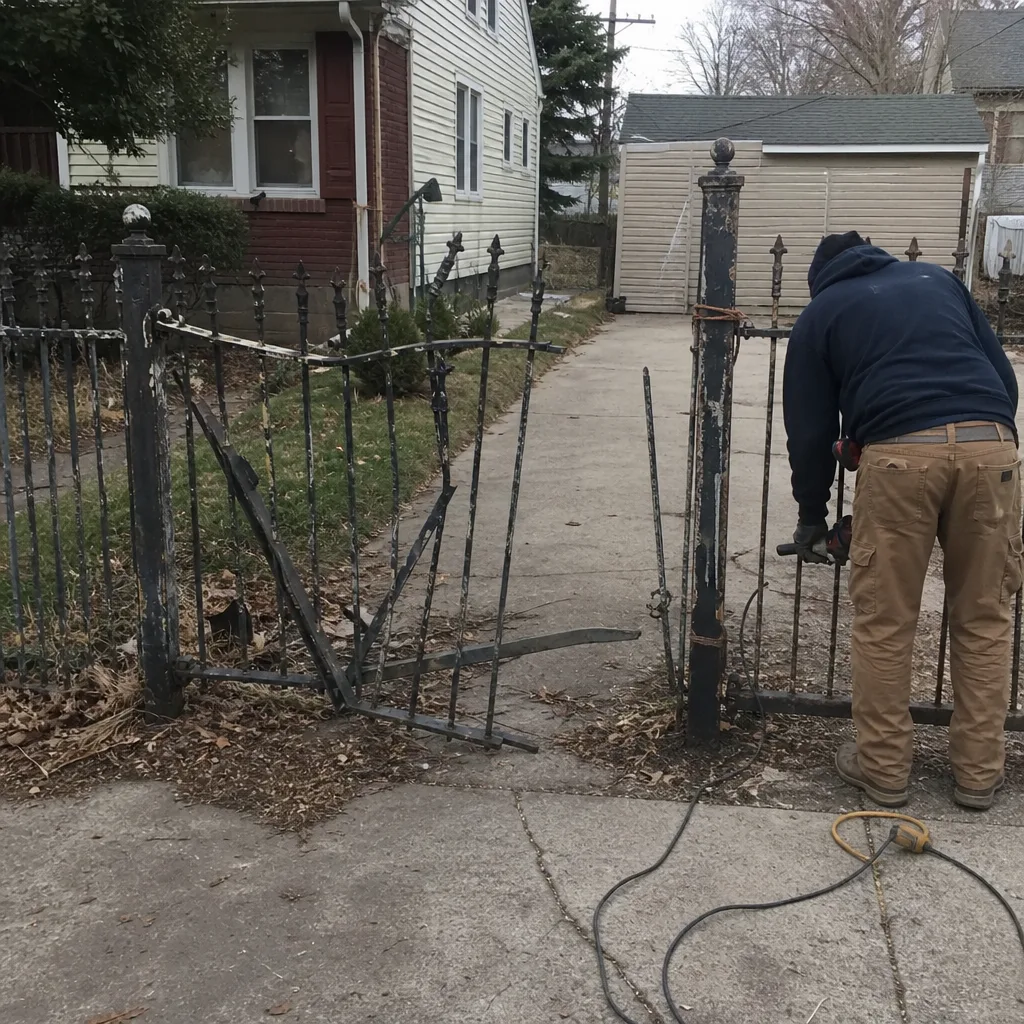 Before
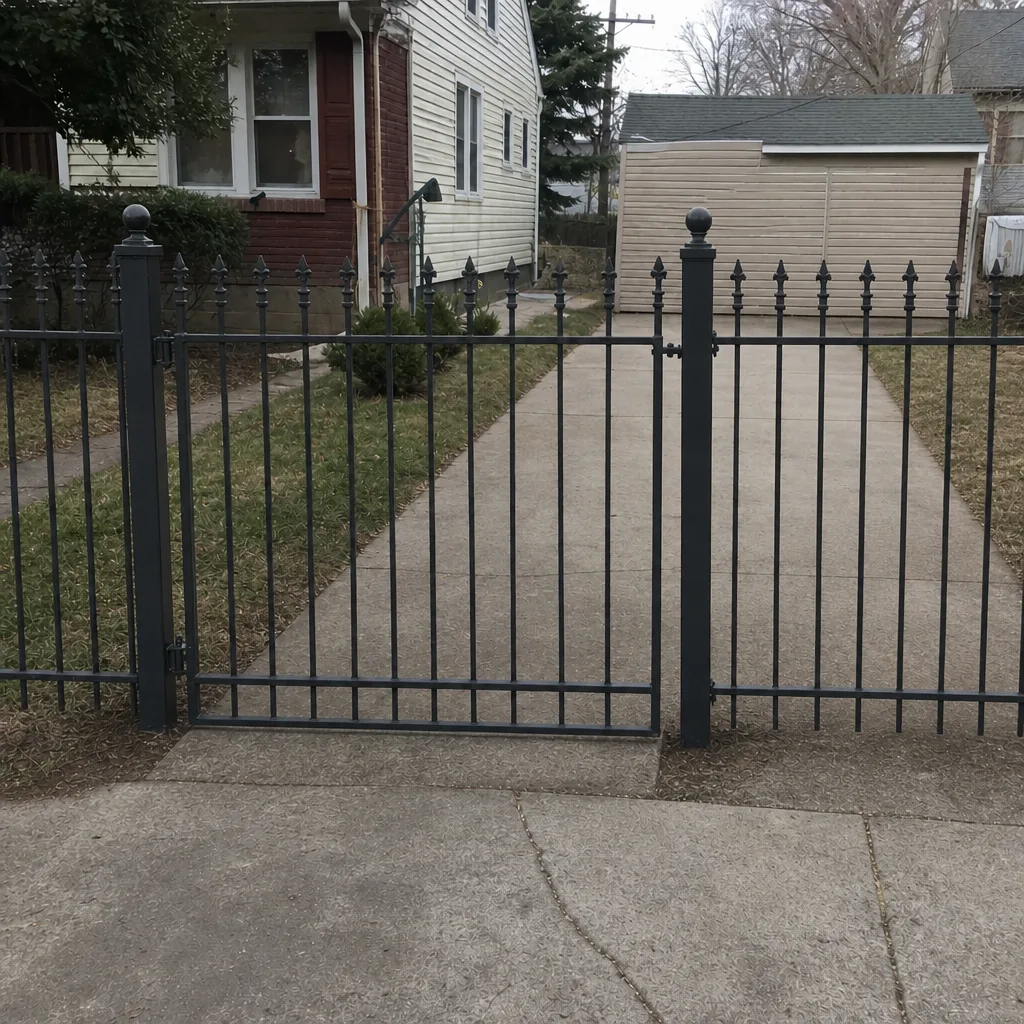 After
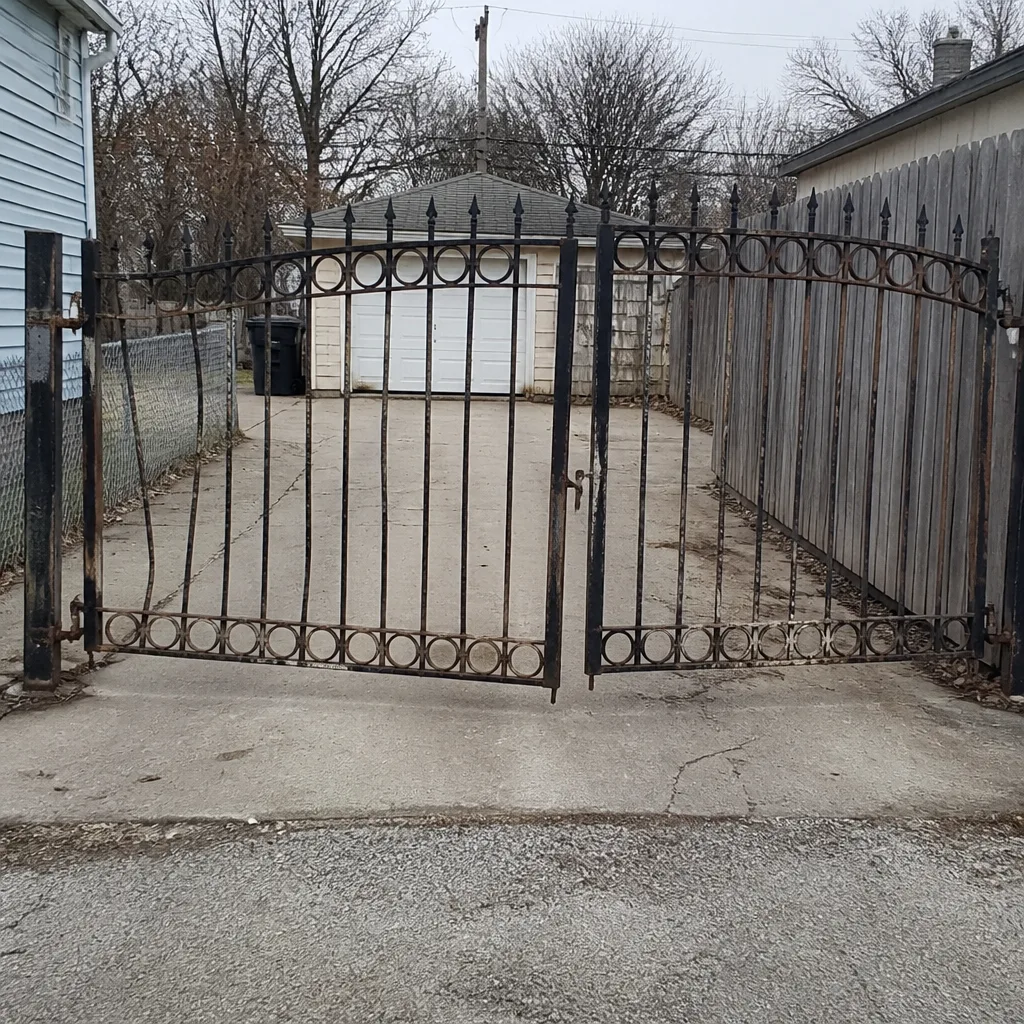 Before
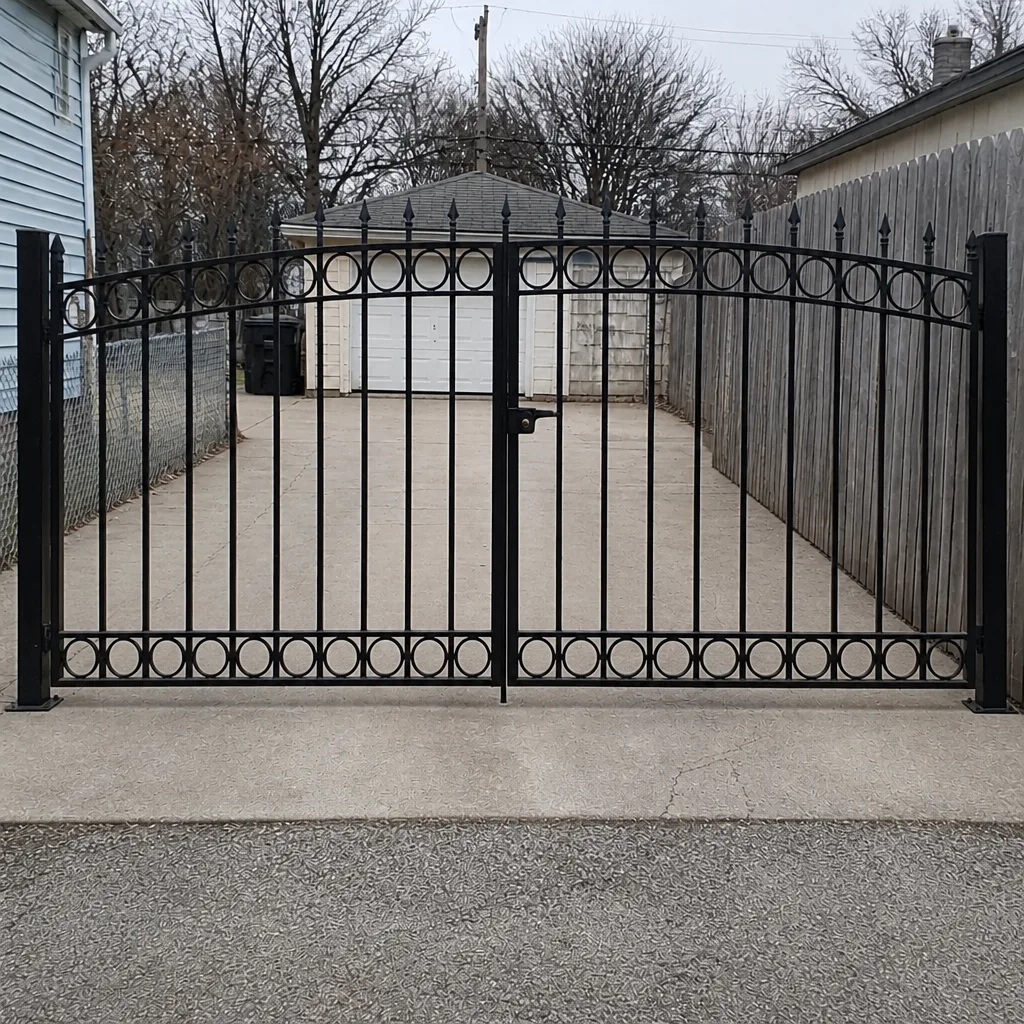 After
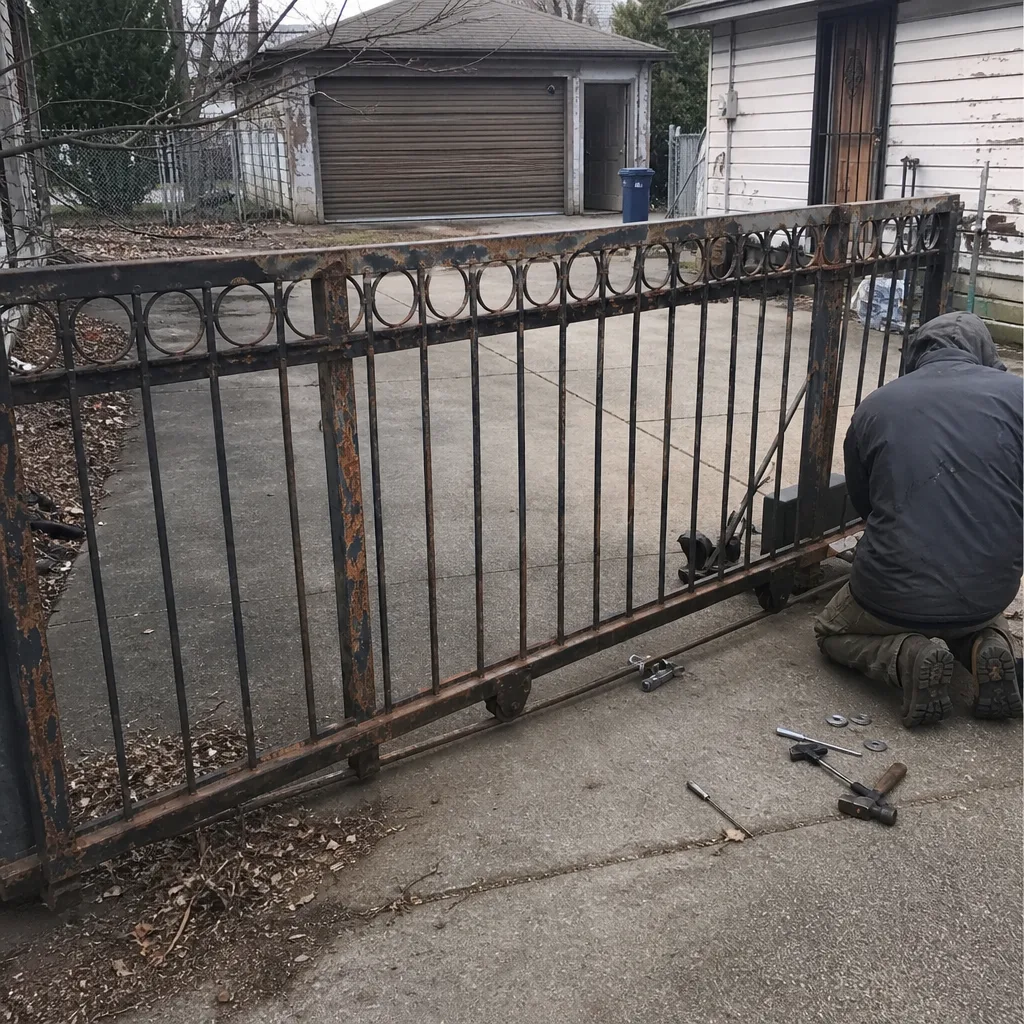 Before
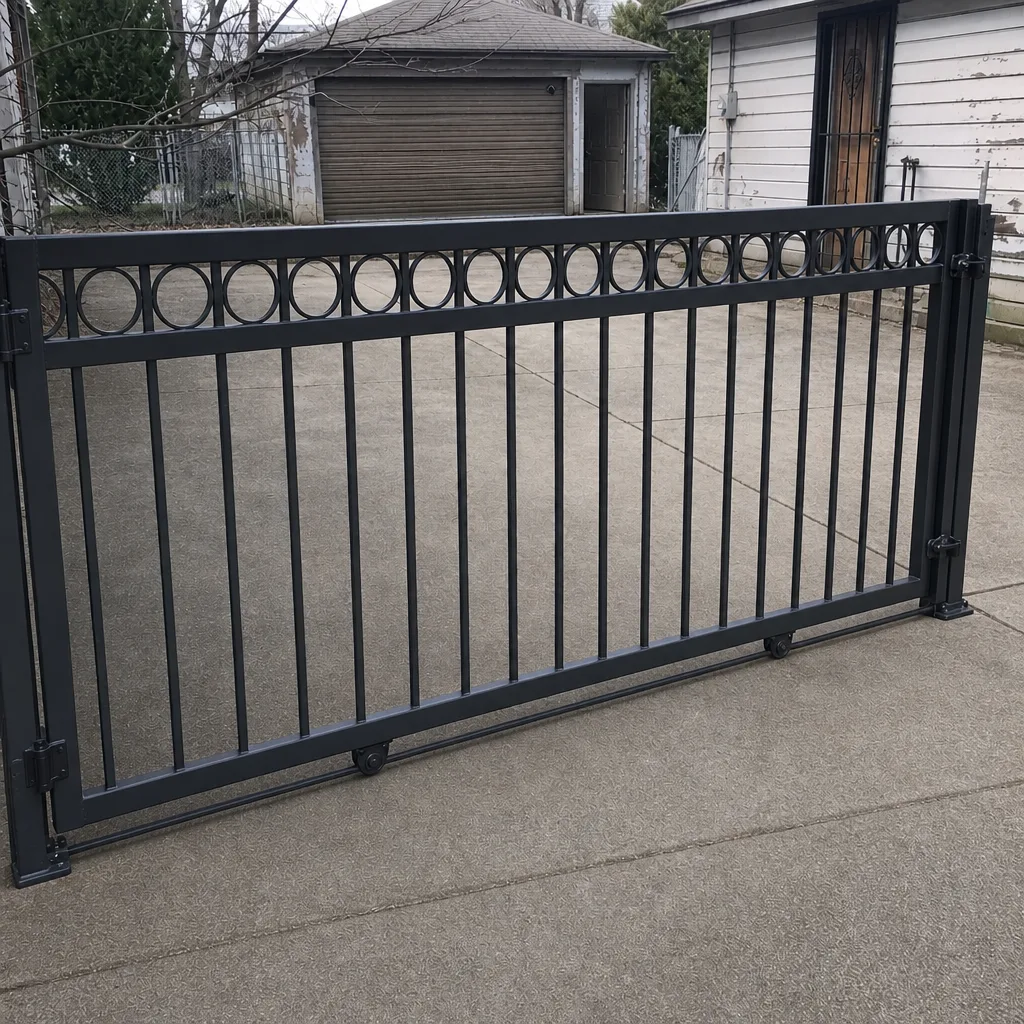 After
When to Call a Professional
Call a professional when the gate is moving on its own, when a safety edge or loop detector isn’t stopping it, when you smell burning from the operator box, when the gate has come off its track, or when a post is clearly moving. Those are the situations where a well-meaning DIY fix does more harm than good. Also call if a generalist has quoted a full replacement and you’re not sure it’s necessary; a specialist diagnosis may point to a smaller, correctly targeted repair. Gate Repair Joliet offers free estimates in Joliet, and our technicians have up to 13 years of experience with mechanical and automated systems alike. Call (855) 360-8227 to get your gate diagnosed, repaired, and moving again.
Frequently Asked Questions
Mechanical wear is the most common, but in Joliet the root cause is often clay-soil settling underneath a post, which shows up as a mechanical symptom. We check both categories on every visit so the fix is aimed at the real source.
Often we can, especially for repair calls. Call (855) 360-8227. We answer 24/7. Fast dispatch from 7am to 7pm, Sunday through Friday.
We work hands-on with nine major operator brands, including DoorKing, Elite, Mighty Mule, and LiftMaster. That coverage means we can usually repair or update the system you already own rather than pushing a full replacement.
Gate work is priced per job after we look at the gate, so there’s no single number. The estimate is free and the written price is agreed before any work starts. Call (855) 360-8227 for an exact quote.
Yes. A heavy sliding gate off its track can fall or swing unpredictably, and the operator’s wiring is live. Keep people and vehicles clear and call a trained technician rather than trying to muscle it back into place.
Yes. We work on residential and commercial gate systems across a wide range of configurations and operators, including multi-site rental and commercial entrances.
The Bottom Line
Nearly every gate problem in Joliet traces back to one of five root causes, and the fix is only as good as the category you identify. Get the diagnosis right and a $40 part often does the job; get it wrong and you’re back in 18 months paying for a motor that never needed replacing. Clay-soil settling is the local factor most often missed, and checking the post before the hardware is what makes a repair last. If you’re not sure which category your gate is in, a specialist diagnosis settles it. Call (855) 360-8227 for a free estimate and get your gate diagnosed, repaired, and moving again.
Written by the team at Gate Repair Joliet.